
I-17
35.1527494,
-111.6804866
Fatigue & Drowsy Driving on I-17
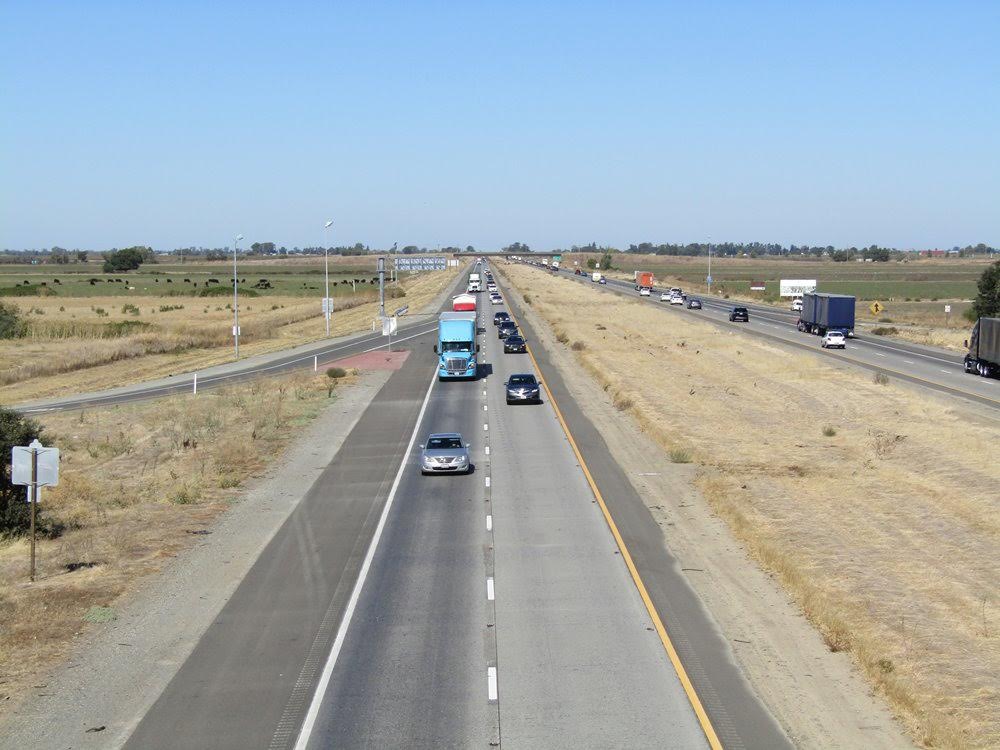

Interstate 17 is one of Arizona’s most heavily traveled highways, linking Phoenix to Flagstaff through a landscape that blends steep grades, rugged mountains, and long desert expanses. While motorists often worry about speeding drivers, unpredictable weather, or sudden curves, one of the most dangerous risks on I-17 is far more subtle: driver fatigue. Fatigue and drowsy driving contribute to thousands of crashes each year across the United States, and I-17’s geography and driving conditions intensify these risks dramatically.
From the flat desert zones between Phoenix and Black Canyon City to the winding mountain climb toward Sunset Point and beyond, the I-17 corridor challenges drivers physically and mentally for hours on end. Understanding how fatigue develops, why it spikes on Arizona’s desert highways, and how it leads to catastrophic crashes can help prevent tragedy and protect motorists who travel this route every day.
The Hidden Threat of Fatigue on Arizona’s Desert Highways
Fatigue is one of the most underestimated hazards on I-17. Unlike impairment from alcohol or drugs, drowsiness develops quietly, often without drivers realizing how compromised they are. A motorist may feel only “a little tired,” yet their reaction time, focus, and decision-making ability may already be significantly reduced.
The desert landscape accelerates fatigue in unique ways. Long, monotonous stretches of road create a “highway hypnosis” effect, a state in which drivers continue moving but lose awareness of their surroundings. This is especially common near New River, parts of the Black Canyon region, and open desert areas where the scenery remains largely uniform for miles.
Arizona’s extreme heat adds another layer of danger. When temperatures climb past 100 degrees, hydration drops, alertness fades, and cognitive performance declines. Even with air conditioning, heat contributes to a subtle exhaustion that creeps in during extended drives. Visitors traveling from Phoenix toward Sedona or Flagstaff often underestimate the toll these conditions take on their bodies.
Nighttime driving further amplifies fatigue risks on I-17. Between Anthem and Cordes Junction, visibility diminishes sharply. The absence of lighting in rural sections places greater strain on the eyes. When the sky turns pitch black outside the vehicle and headlight beams illuminate only a narrow slice of the road ahead, the brain shifts into a slower, more fatigued state. Drivers may begin “micro-sleeping,” experiencing moments of involuntary eyes-closed drifting that last only a second or two, but at 75 miles per hour, even one second equals over 100 feet of blind travel.
These conditions make fatigue a silent but potent threat. Many catastrophic crashes occur because drivers fail to recognize the warning signs until it’s too late.
How Drowsy Driving Causes Serious and Fatal Crashes on I-17
Fatigue affects the body and brain in ways that make driving extremely dangerous. On I-17, where speeds are high and the terrain demands constant attention, even minor lapses can lead to devastating consequences.
Slowed reaction times are a major factor. A tired driver reacts to hazards with delayed reflexes, often hitting the brakes too late to avoid a collision. If traffic suddenly slows on a descent near Sunset Point, a fatigued driver may not respond quickly enough to prevent a rear-end accident.
Fatigue also makes lane control more difficult. Drifting or weaving between lanes is especially common on the straight desert stretches north of Phoenix. Many fatigue-related crashes involve a driver veering into oncoming traffic, sideswiping another vehicle, or drifting off the shoulder into rocks, embankments, or guardrails.
Cognitive impairment is another dangerous outcome. Fatigue diminishes judgment, making drivers more prone to risky decisions such as speeding, tailgating, or failing to adjust for weather conditions. When storms roll through the mountains or fog settles over higher elevations near Flagstaff, the combination of fatigue and poor visibility becomes deadly.
One of the most frightening risks is the complete loss of consciousness at the wheel. When a driver falls asleep, even briefly, the vehicle can travel hundreds of feet with no correction. On I-17’s mountain grades, this can result in rollovers, head-on collisions, or crashes involving multiple vehicles. When a vehicle drifts across lanes or into oncoming traffic, other drivers rarely have time to escape the impact.
Commercial drivers face unique hazards along I-17. Long hours behind the wheel, strict delivery timelines, and tight schedules increase the risk of fatigue among truck operators. A drowsy truck driver descending a steep grade near Black Canyon City poses enormous danger to everyone on the road. A fully loaded truck requires far more distance to stop, and even a minor lapse in attention can trigger a major pileup or multi-vehicle collision.
Environmental and Psychological Factors That Intensify Fatigue Along I-17
The I-17 corridor combines environmental stressors and psychological challenges that heighten the risk of drowsy driving. Heat exposure, sun glare, elevation changes, and repetitive scenery all contribute to the onset of fatigue.
Sun glare is strongest during morning and late-afternoon hours. As drivers head northbound toward higher elevations, the sun often hits the windshield at a low angle, forcing motorists to squint and over-focus their eyes. This constant strain accelerates exhaustion and reduces situational awareness.
Elevation changes also affect the body. Traveling from Phoenix’s desert floor to the high-altitude forests near Flagstaff introduces rapid changes in temperature, air pressure, and oxygen levels. Drivers often feel drained during long ascents, particularly on the steep climbs before Black Canyon City and again near the Coconino National Forest. Fatigue becomes more pronounced at higher elevations, where thin air reduces oxygen intake and contributes to headaches, dizziness, or general lethargy.
The psychological aspect is just as important. The brain becomes bored and under-stimulated during monotonous travel. Without sufficient sensory input, attention begins to drift. This makes drivers less responsive to emerging hazards, such as slow-moving vehicles, wildlife crossing the highway, or sudden congestion near interchanges.
Even experienced drivers are vulnerable. Fatigue does not discriminate based on skill level; once the body begins shutting down, no amount of experience can override the physiological need for rest. Drowsy driving is especially dangerous on I-17 because the route combines monotony with sudden shifts in terrain that demand full alertness. A tired driver may become complacent during easy stretches and then fail to adapt when entering a curve, descent, or congested zone.
Recognizing Fatigue Before It Becomes Deadly
Many drivers underestimate their exhaustion or ignore the early signs of fatigue. Yet recognizing these symptoms can prevent accidents. Common indicators include difficulty focusing, repeated yawning, drifting in the lane, heavy eyelids, and trouble remembering the last few miles driven. If these signs appear anywhere on I-17, the safest course is to stop immediately.
Rest areas, gas stations, and safe pull-off points exist at key intervals along the highway. Stopping for even ten minutes can help restore alertness temporarily, but meaningful recovery usually requires genuine rest, hydration, and a break from the monotony of driving.
Short-term tricks like rolling down the window or turning up the music do little to counteract true fatigue. The only real solution is sleep. Unfortunately, many long-distance drivers push through tiredness to maintain schedules or reach destinations sooner, especially when traveling between Phoenix and Flagstaff for work, school, or tourism. This decision often leads to severe crashes that could have been avoided with a short rest.
Commercial drivers must also follow strict federal regulations limiting driving hours, but fatigue still affects many operators. Schedules, deadlines, and employer pressure often contribute to unsafe driving hours along I-17.
I-17 Fatigue Crash Risks: Protecting Drivers and Preventing Tragedy
Fatigue and drowsy driving on I-17 remain persistent dangers, especially on long desert stretches where monotony and heat accelerate exhaustion. Recognizing the risks and acting responsibly can save lives. When a driver causes a crash due to fatigue, the consequences can be devastating, including serious injuries, lifelong disabilities, or fatalities. Victims face medical bills, lost income, and emotional trauma, and many must fight insurance companies that try to minimize or deny valid claims.
If you or someone you love suffered injuries in an I-17 fatigue crash, help is available. Get in touch with us by filling out the contact form and arrange a consultation with a trained and experienced Interstate 17 accident lawyer who can fight for justice and fair compensation on your behalf so you can focus on recovery and rebuilding your life.