
I-17
35.1527494,
-111.6804866
Car vs. Truck Collisions on I-17
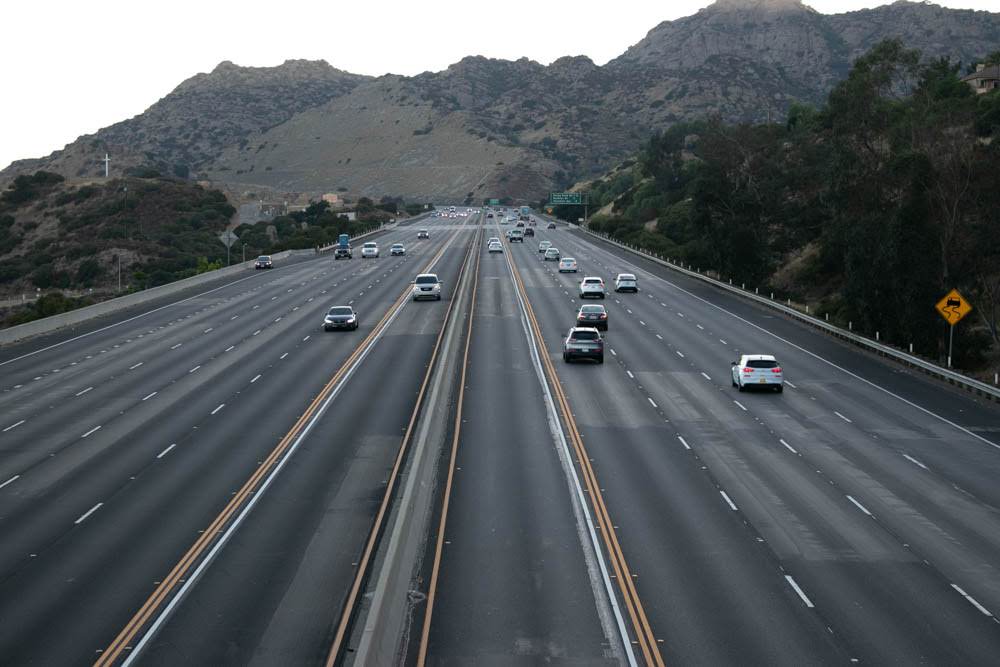

Interstate 17 stands as one of Arizona’s busiest and most complex transportation corridors. Stretching from the heart of Phoenix through the desert valleys and mountain passes to Flagstaff, the I-17 corridor handles an immense volume of daily traffic. This mix of commuters, tourists, long-haul commercial trucks, and local delivery vehicles creates constant friction on the roadway. While any crash on I-17 carries the potential for serious harm, collisions between passenger cars and commercial trucks remain among the most catastrophic. The sheer size and weight of semi-trucks mean that even a minor miscalculation can result in devastating injuries, wrongful death, and extensive property damage.
Understanding liability in a car-versus-truck crash on I-17 requires careful attention to the rules governing commercial carriers, the conditions along the highway, and the evidence that determines which parties bear legal responsibility. Because trucking companies and insurers move quickly to protect their interests after a collision, victims must understand their rights and the steps needed to preserve critical evidence.
Why Car-Truck Collisions on I-17 Are So Dangerous
The unique geography and traffic patterns of I-17 play a major role in the severity of car-truck crashes. Between Phoenix and Black Canyon City, long desert stretches encourage high speeds. As the interstate climbs toward Sunset Point, curves, grades, and changing elevations challenge even experienced truck drivers. Past Cordes Junction, abrupt weather shifts bring fog, heavy rain, sleet, and winter road conditions that reduce traction and visibility.
Semi-trucks require long stopping distances, especially when fully loaded. A commercial truck traveling downhill near Black Canyon City may need hundreds of feet to stop, while a distracted or fatigued driver may not react soon enough. Passenger vehicles caught in that path stand little chance of avoiding serious harm. Rollovers, jackknife crashes, and underride events, where a car slides under the trailer, occur with alarming frequency along the corridor.
Because of the forces involved, victims in these crashes often face traumatic brain injuries, spinal damage, fractures, and long-term disabilities. The medical, emotional, and financial impact extends far beyond the immediate aftermath. Determining liability becomes essential for securing compensation and protecting a victim’s future.
Establishing Liability in an I-17 Car vs. Truck Crash
Liability in a car-versus-truck crash rarely hinges on one factor. Most cases involve multiple layers of responsibility, including the truck driver, the trucking company, maintenance contractors, cargo loaders, or even third-party drivers who triggered the chain of events. To understand liability, investigators examine driver behavior, vehicle conditions, company policies, and compliance with federal and state regulations.
Driver negligence remains one of the most common causes of I-17 truck crashes. Truck operators face long hours, tight deadlines, and physical strain from navigating steep grades and changing weather. Fatigue, distraction, speeding, and improper lane changes all contribute to collision risk. A truck driver descending the mountain pass near Sunset Point with insufficient rest poses a hazard. If the operator violated federal hours-of-service rules, liability often becomes clear.
Trucking companies may also share responsibility. They must hire qualified drivers, conduct regular training, enforce safety protocols, and ensure compliance with federal regulations. When a company pressures drivers to exceed hours-of-service limits or overlook vehicle defects, it exposes motorists to preventable danger. Improper maintenance can lead to brake failures, tire blowouts, or steering issues, all of which create catastrophic conditions on I-17’s steep grades.
In some cases, cargo loaders contribute to the crash. Improperly secured or unevenly distributed loads make it difficult for truck drivers to maintain control, especially when navigating curves or descending mountain passes. A load shift on a curve between Munds Park and Flagstaff can prompt a rollover or sudden loss of control.
Third parties may also play a role. A passenger car making a sudden lane change or braking unexpectedly may cause the truck driver to swerve or lose control. Even when a truck ultimately causes the collision, the initial trigger may stem from another driver’s negligence.
Liability assessments must therefore consider all potential contributors, not just the obvious ones.
Key Evidence Needed to Prove Fault in I-17 Truck Crashes
Evidence determines the outcome of any car-truck crash claim, especially when a commercial carrier becomes involved. Trucking companies and insurers often send investigators to the scene within hours, aiming to secure their advantage. For victims, preserving evidence becomes vital in proving negligence and obtaining compensation.
The truck’s electronic logging device provides one of the most important sources of information. It records hours driven, rest breaks, speeds, and braking patterns. If a driver exceeded allowed hours or showed erratic driving before the crash, the ELD captures it.
The truck’s event data recorder offers additional details. It tracks speed, throttle position, brake application, and steering inputs in the seconds before impact. These metrics help reconstruct the crash and determine whether the truck driver responded appropriately.
Maintenance logs and inspection records reveal whether the trucking company followed required safety protocols. Brake problems, worn tires, or unaddressed mechanical issues often point to systemic negligence. Poorly maintained vehicles become especially dangerous on I-17’s steep downhill grades, where braking capacity is essential.
Dashcam footage, when available, offers direct visual evidence. Many commercial trucks use forward-facing or dual-facing cameras. Video may show lane departures, distracted driving, or unsafe speeds. For crashes near Phoenix, footage from nearby businesses or traffic cameras may also support the claim.
Witness statements add perspective. Motorists traveling near the crash may have seen the truck drifting, speeding, or following too closely. On rural stretches approaching Flagstaff, witnesses often become critical because fewer cameras are present.
Police crash reports provide an official record of the incident. Officers document skid marks, vehicle positions, weather conditions, and driver statements. When collisions occur near steep grades or icy conditions, the report often highlights how the environment contributed to the event.
Expert analysis brings the evidence together. Accident reconstruction specialists, trucking-safety experts, and medical professionals help translate data into a clear narrative. Their testimony strengthens the victim’s case and clarifies liability for insurers, judges, and juries.
Insurance Challenges and the Complexity of Semi Liability in Arizona
The aftermath of a car-versus-truck crash on I-17 often becomes a battle between injured victims and well-funded commercial insurance carriers. Trucking companies carry substantial liability coverage, sometimes millions of dollars. This makes insurers eager to limit payouts. They may dispute fault, minimize injuries, or shift blame onto the victim or another motorist.
Arizona’s laws regarding comparative negligence further complicate the process. If a victim bears any share of fault, for example, for speeding or failing to stay in their lane, their compensation may be reduced. Insurers often use this rule to their advantage, even when evidence shows the truck driver caused the crash.
Semi-truck crashes may also involve overlapping jurisdictions and regulations. The Federal Motor Carrier Safety Administration sets national rules, while Arizona law governs state-level liability and obligations. A single crash may involve companies from several states, making the legal landscape even more complex.
Because of these challenges, victims benefit from early legal guidance. An attorney can intervene to preserve evidence, communicate with insurers, and protect the victim from tactics designed to undermine the claim. Legal support ensures that trucking companies cannot hide key information or shift responsibility unfairly.
I-17 Car vs Truck Crash Liability, Evidence Preservation, and Your Next Step
Car-versus-truck collisions on I-17 demand immediate attention, thorough investigation, and strong legal advocacy. The combination of steep grades, fast-moving traffic, and heavy commercial vehicles creates conditions where even one moment of negligence leads to life-altering consequences. Determining liability requires access to truck data, maintenance records, witness statements, reconstruction experts, and a complete understanding of federal and state regulations governing commercial carriers.
If you or someone you love suffered injuries in an I-17 car-versus-truck crash and need guidance on liability, evidence collection, or next steps, get in touch with us by filling out the contact form and arrange a consultation with a trained and experienced Interstate 17 accident lawyer who can fight for justice and fair compensation on your behalf so you can focus on recovery and rebuilding your life.