
I-17
35.1527494,
-111.6804866
Fatal Truck Accidents on I-17: Case Studies
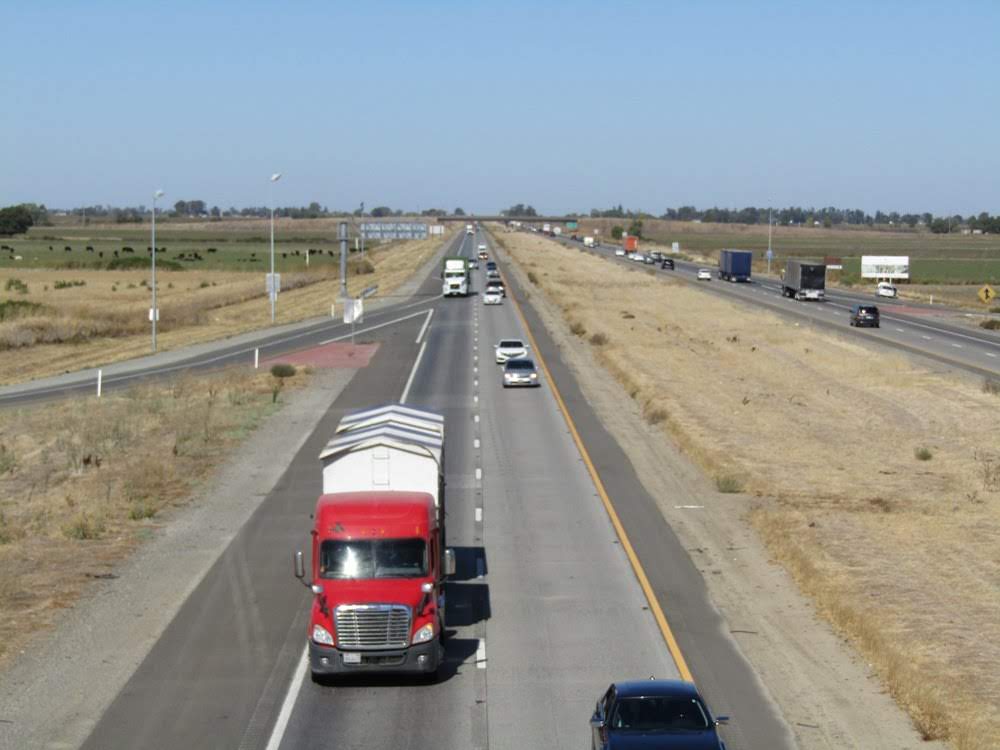

Interstate 17 stands among Arizona’s most demanding highways. The route connects Phoenix and Flagstaff through steep grades, sharp curves, and dramatic elevation changes. Heavy commercial trucks share the corridor with commuters, tourists, and local traffic every day. When serious mistakes occur, the consequences can be fatal. An I-17 fatal truck crash often leaves families facing sudden loss and unanswered questions.
Truck traffic plays a vital role along I-17. The corridor carries freight between southern Arizona, northern communities, and neighboring states. Tractor-trailers navigate long descents near Black Canyon City and challenging climbs toward the high country. These conditions increase risk, especially when speed, fatigue, or mechanical issues come into play. Reviewing fatal truck accidents on I-17 helps explain how these tragedies happen and how courts address responsibility.
Each fatal crash tells a different story. However, patterns appear across many incidents. Investigators often identify similar contributing factors, including brake failures, unsafe speeds, distracted driving, and regulatory violations. Legal outcomes also follow recurring paths, particularly in wrongful death claims. Understanding these case studies provides insight for families seeking accountability after a devastating loss.
Mountain Grades, Brake Failures, and Fatal I-17 Truck Crashes
Several fatal truck accidents on I-17 involve loss of control on steep grades. Long downhill stretches place enormous stress on braking systems. When brakes overheat or fail, a fully loaded truck can gain uncontrollable speed. These incidents often occur near Black Canyon City or Sunset Point, where descents challenge even experienced drivers.
In one widely reported scenario, a tractor-trailer descended too quickly and failed to slow down in traffic. The truck struck multiple vehicles ahead, causing fatal injuries. Investigators later cited excessive speed and inadequate braking response. Civil litigation followed, focusing on driver decisions and maintenance records. Courts examined whether the trucking company ensured proper brake inspections.
Brake failure cases often raise questions beyond the driver’s actions. Maintenance providers may share responsibility if inspections were skipped or performed poorly. Trucking companies also face scrutiny for allowing vehicles with worn components onto steep grades. In fatal semi-truck accident cases, plaintiffs frequently uncover violations of federal safety regulations.
Weather can intensify these tragedies. Rain or ice reduces traction during downhill travel. When brakes struggle on slick pavement, control diminishes further. Several I-17 fatal truck crash investigations have noted weather warnings that drivers ignored. Legal outcomes often hinge on whether the driver adjusted speed appropriately for conditions.
These cases highlight a recurring legal theme. Courts rarely view brake failure as unavoidable. Instead, they examine preparation, maintenance, and decision-making. Families pursuing wrongful death claims often succeed by showing that the crash was preventable through proper care.
Fatigue, Distraction, and Wrongful Death Claims in Arizona
Driver fatigue appears in many fatal truck accident case studies on I-17. Long-haul routes and delivery deadlines pressure drivers to push beyond safe limits. The interstate’s rural stretches encourage extended driving without breaks. Fatigued drivers react more slowly and misjudge traffic conditions.
In one fatal incident, a truck driver drifted into slower traffic near a construction zone. The resulting collision killed a passenger vehicle occupant. Investigators later reviewed electronic logs and found hours-of-service violations. The wrongful death lawsuit focused on both driver fatigue and company scheduling practices.
Distraction also contributes to fatal crashes. Mobile device use, navigation adjustments, or in-cab systems divert attention. On winding sections of I-17, seconds matter. A brief distraction can prevent timely braking or steering corrections. Courts often treat distraction as negligence when evidence supports inattention.
Legal outcomes in these cases often extend beyond the driver. Trucking companies may bear liability for failing to monitor log compliance. Companies must enforce rest requirements and discipline violations.
These cases emphasize accountability. Fatigue and distraction rarely occur in isolation. They reflect systemic issues within trucking operations. Courts and juries often respond strongly when evidence shows profit prioritized over safety.
Improper Loading, Rollovers, and Fatal Outcomes on I-17
Cargo issues play a significant role in several fatal truck crashes on I-17. Improperly loaded trailers can shift weight unexpectedly. On curves or descents, that shift destabilizes the vehicle. Rollovers frequently follow, often with catastrophic consequences.
One fatal rollover involved a truck carrying unevenly distributed cargo. As the driver entered a curve at highway speed, the load shifted sharply. The trailer tipped, crushing a nearby vehicle. The investigation revealed cargo securement violations. The wrongful death claim targeted the loading contractor and trucking company.
Liquid cargo creates unique dangers as well. Sloshing increases instability during braking and turning. Several I-17 fatal truck crash cases involve tankers that rolled during evasive maneuvers. Courts examine whether drivers received specialized training for such loads.
Liability in these cases often expands to third parties. Cargo loaders and shippers must follow federal securement rules. When they fail, they may share responsibility for fatal outcomes. Successful claims often depend on early evidence preservation, including cargo manifests and inspection reports.
These case studies show how a single oversight can trigger tragedy. Proper loading practices remain critical on mountainous highways like I-17.
Emergency Response Challenges and Legal Implications
Many fatal truck accidents on I-17 occur in remote areas. Long distances between exits delay emergency response. Blocked lanes and terrain complicate access for first responders. These delays sometimes worsen injuries that later prove fatal.
In several cases, families questioned whether a faster response could have changed outcomes. While emergency services rarely bear liability, response challenges shape damage claims. Attorneys may argue that the severity of injuries increased due to the crash’s nature and location.
Courts focus primarily on crash causation rather than rescue timing. However, medical records often show how injuries progressed. This information influences damage calculations in wrongful death cases involving semi-trucks in Arizona. Economic and non-economic losses reflect the full impact of the fatal event.
These realities underscore the seriousness of truck crashes on I-17. Remote terrain magnifies consequences, making prevention and accountability even more critical.
I-17 Fatal Truck Crash Cases, Wrongful Death Claims, and How Families Seek Justice
An I-17 fatal truck crash leaves lasting devastation. Families face grief, financial strain, and complex legal processes. Case studies show that most fatal truck accidents involve preventable failures. Speed, fatigue, maintenance lapses, and cargo violations appear repeatedly.
Wrongful death claims after a truck crash aim to uncover the truth. These cases analyze driver conduct, company policies, maintenance records, and regulatory compliance. Successful outcomes often depend on thorough investigation and early legal action.
Legal accountability serves multiple purposes. It provides financial support to surviving families. It also pressures companies to improve safety practices. Over time, these cases contribute to safer operations along I-17.
If you lost a loved one in an I-17 fatal truck crash, help may be available. Get in touch with us by filling out the contact form and arrange a consultation with a trained and experienced Interstate 17 accident lawyer who can evaluate your situation, protect your rights, and pursue fair compensation so you can focus on recovery and moving forward.