
I-17
35.1527494,
-111.6804866
Common Types of Crashes on I-17
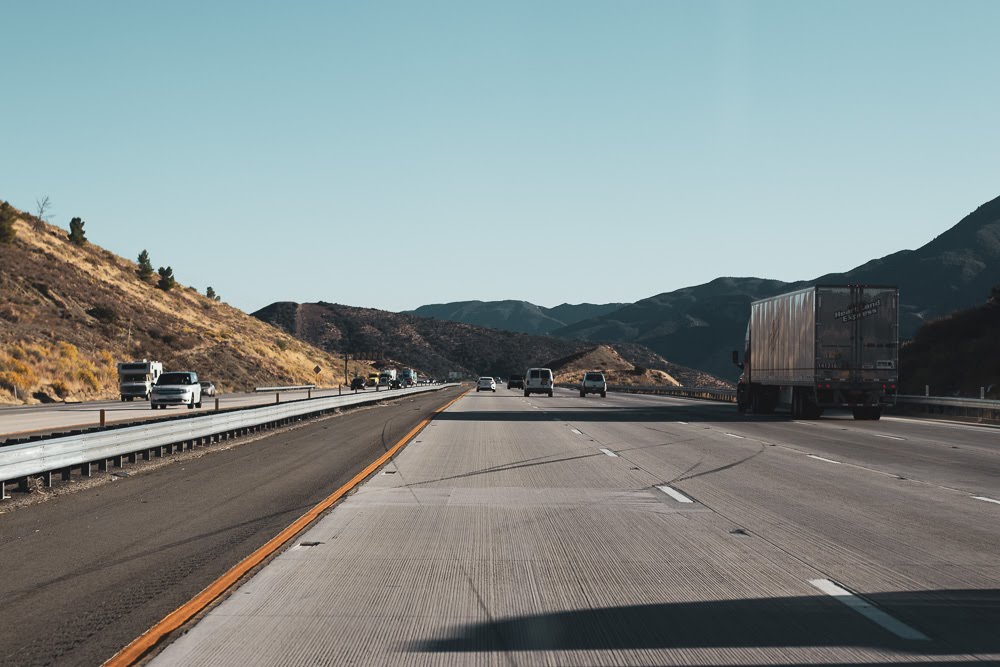

Interstate 17 serves as a critical corridor between Phoenix and Flagstaff. The route cuts through desert flats, mountain passes, and steep elevation changes. Daily traffic includes commuters, tourists, and heavy commercial vehicles. This constant flow increases the likelihood of collisions across many conditions. Understanding common I-17 crash types helps drivers recognize risks and adopt safer habits.
The interstate’s design contributes to varied crash patterns. Sharp curves near Black Canyon City, steep grades at Sunset Point, and congestion near urban exits all play roles. Weather shifts add another layer of danger, especially during monsoon storms and winter snow. As conditions change, different crash types appear with predictable frequency. Awareness of these patterns can reduce preventable collisions.
Drivers often focus on speed limits and enforcement. However, crash dynamics depend more on spacing, visibility, and reaction time. On I-17, small mistakes escalate quickly due to traffic speed and terrain. Comparing the most common crash types clarifies why certain collisions happen more often. It also highlights practical prevention strategies that protect everyone on the roadway.
Rear-End Collisions and Sudden Speed Changes on I-17
Rear-end collisions rank among the most frequent I-17 crash types. These crashes often occur during sudden slowdowns. Congestion near Phoenix interchanges causes abrupt braking during peak hours. Tourists unfamiliar with exits may stop unexpectedly. These conditions leave little margin for error.
Following too closely causes many rear-end impacts. Drivers reduce reaction time when they tailgate at highway speeds. When traffic slows suddenly, the trailing vehicle cannot stop in time. The result often involves chain-reaction collisions across multiple lanes. These crashes increase injury risk and block traffic for extended periods.
Weather intensifies rear-end risks on I-17. Rain during monsoon storms reduces traction and visibility. Wet pavement increases stopping distances. Drivers who fail to adjust speed create dangerous conditions for vehicles behind them. Even light rain can trigger multiple rear-end crashes within minutes.
Commercial vehicles contribute to rear-end patterns as well. Large trucks require longer stopping distances. When passenger vehicles cut in front of trucks, braking becomes difficult. If traffic stops suddenly, the truck may strike the vehicle ahead. These crashes often cause severe damage due to vehicle weight differences.
Prevention relies on spacing and anticipation. Drivers who maintain safe following distances reduce collision risk. Watching the brake lights of several vehicles ahead improves reaction time. Slowing early near congestion points also helps. These habits remain especially important on downhill stretches where braking forces increase.
Sideswipe Accidents and Lane-Change Conflicts
Sideswipe accidents represent another common category on I-17. These collisions often happen during lane changes. Drivers merge to avoid slower traffic or prepare for exits. When visibility drops or mirrors go unchecked, vehicles drift into occupied lanes.
Traffic density increases sideswipe risk near metropolitan areas. Southbound traffic approaching Phoenix often compresses into fewer lanes. Northbound traffic near recreational exits also experiences merging congestion. These areas see frequent sideswipe accidents during weekends and holidays.
Speed differentials worsen the problem. One vehicle may travel significantly faster than another. When a driver changes lanes without judging speed accurately, contact occurs. Even minor sideswipes can cause loss of control at highway speeds. This loss often leads to secondary crashes.
Weather again plays a role. Heavy rain reduces mirror clarity and windshield visibility. Wind gusts on elevated sections can push vehicles sideways. Drivers correcting for wind may drift unintentionally. These factors combine to increase sideswipe accidents during storms.
Prevention centers on deliberate lane changes. Drivers should signal early and check blind spots carefully. Avoiding frequent lane changes reduces exposure to conflict. Maintaining a steady speed also helps other drivers anticipate movement. On I-17, patience often prevents sideswipe crashes.
Single-Vehicle Crashes and Loss of Control Events
Single-vehicle crashes occur frequently on I-17, especially in rural sections. These crashes involve rollovers, roadway departures, and collisions with barriers. Speed and terrain often contribute to loss of control. Curves and steep grades challenge vehicle stability.
Driver fatigue plays a significant role. Long stretches between exits encourage complacency. Fatigued drivers drift out of lanes or misjudge curves. At high speeds, small steering errors lead to severe outcomes. These crashes often occur late at night or early morning.
Weather increases single-vehicle crash frequency. Rain creates slick surfaces that reduce tire grip. Ice near Flagstaff during the winter months adds danger. Drivers unprepared for changing conditions lose control quickly. Vehicles may slide off the roadway or strike guardrails.
Distraction also contributes to these crashes. Mobile device use diverts attention from steering and speed control. On winding sections, seconds matter. A brief distraction can send a vehicle into a curve too fast. The result often involves rollovers or embankment collisions.
Prevention involves speed management and alertness. Drivers should adjust speed for curves and grades. Taking breaks during long trips reduces fatigue. Eliminating distractions improves control. These steps lower single-vehicle crash risk on I-17.
Multi-Vehicle Crashes and Chain Reactions on Steep Grades
Multi-vehicle crashes create some of the most severe incidents on I-17. These events often start with a single collision. The initial impact blocks lanes or slows traffic abruptly. The following vehicles then collide in succession. Steep grades amplify these chain reactions.
Downhill sections increase stopping distances for all vehicles. Trucks and loaded vehicles face greater challenges. When traffic slows suddenly, rear vehicles struggle to stop. The result often involves multiple impacts across lanes.
Visibility issues worsen chain reactions. Curves and elevation changes limit sight distance. Drivers may not see stopped traffic until too late. Weather conditions like fog and heavy rain further restrict vision. These factors combine to create high-risk scenarios.
Emergency response becomes difficult during multi-vehicle crashes. Blocked lanes delay access for responders. Remote locations extend transport times to hospitals. Victims may wait longer for care, increasing injury severity.
Prevention focuses on anticipation and spacing. Drivers should expect slowdowns on grades. Increasing the following distance improves reaction time. Slowing early near congestion reduces impact severity. These habits protect drivers during sudden traffic changes.
Comparing I-17 Crash Types, Prevention, and When to Seek Help
Comparing I-17 crash types reveals shared causes. Speed, spacing, visibility, and reaction time influence most collisions. Rear-end vs sideswipe accidents differ in mechanics but share prevention principles. Awareness and patience reduce risk across scenarios.
Each crash type carries distinct injury patterns. Rear-end collisions often cause whiplash and spinal strain. Sideswipes can trigger rollovers or secondary impacts. Single-vehicle crashes often involve severe trauma due to high speeds. Multi-vehicle crashes increase injury complexity and liability disputes.
Prevention requires adapting to I-17’s environment. Drivers should respect terrain and weather changes. Maintaining focus and spacing reduces sudden reactions. These actions protect not only individual drivers but entire traffic flows.
Despite precautions, crashes still occur. Another driver’s mistake may cause serious harm. Victims then face medical treatment, vehicle damage, and financial stress. Understanding crash dynamics helps victims process what happened and plan next steps.
If you or a loved one suffered injuries in one of the common I-17 crash types, support may be available. Get in touch with us by filling out the contact form and arrange a consultation with a trained and experienced Interstate 17 accident lawyer who can evaluate your situation, protect your rights, and pursue fair compensation so you can focus on recovery and moving forward.