
I-17
35.1527494,
-111.6804866
Steps to Take After an I-17 Crash
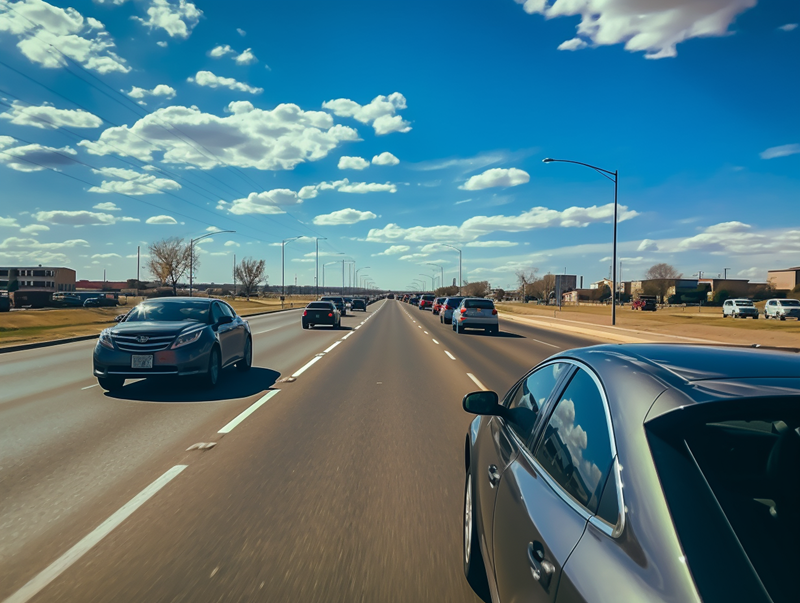

Interstate 17 connects Phoenix to northern Arizona communities and mountain regions. The corridor carries heavy daily traffic. Commuters, tourists, and commercial trucks share the roadway. Crashes occur frequently due to speed, terrain, and changing weather conditions.
An I-17 crash creates immediate confusion and stress. Drivers often feel overwhelmed by noise, traffic, and injuries. Clear thinking becomes difficult during these moments. However, the actions taken after a crash can shape safety, recovery, and legal outcomes.
Knowing what to do after an I-17 crash helps drivers regain control. Each step serves a specific purpose. Some steps protect health. Others preserve evidence or legal rights. Following a structured approach reduces mistakes made under pressure.
This guide explains post-crash steps in a clear sequence. It avoids legal jargon and focuses on practical decisions. These actions apply whether a crash occurs near Phoenix or in remote stretches north of Black Canyon City. Preparation helps drivers respond with confidence when seconds matter.
Securing Safety and Assessing Injuries After an I-17 Crash
Safety comes first after any I-17 collision. Drivers should assess immediate danger as soon as possible. High-speed traffic continues moving around crash scenes. Secondary collisions pose serious risks on narrow shoulders.
If vehicles remain operable, drivers should move to a safe location. Pulling onto the shoulder reduces exposure to passing traffic. Hazard lights should activate immediately. These lights warn approaching drivers and reduce additional impacts.
Checking for injuries follows securing the scene. Drivers should assess themselves and passengers carefully. Adrenaline can mask pain and symptoms. Even mild discomfort may indicate serious injury. Neck, back, and head pain deserve attention.
Drivers should call emergency services promptly. Reporting the crash brings medical help and law enforcement to the scene. On I-17, response times vary based on location. Rural sections may require longer wait periods. Early calls improve outcomes.
Drivers should avoid providing medical opinions at the scene. Statements about feeling fine may later conflict with medical findings. Accepting evaluation from paramedics protects health and documentation. Medical records often become critical later.
Remaining calm improves decision-making. Panicked actions increase risk and confusion. Deep breathing and deliberate movements help restore focus. A composed approach supports safety during a chaotic situation.
Communicating With Authorities and Documenting the I-17 Accident Scene
Law enforcement documentation plays a central role after an I-17 crash. Officers create official reports that describe the location, conditions, and involved parties. These reports influence insurance and legal decisions.
Drivers should cooperate respectfully with responding officers. Providing identification and basic information remains appropriate. However, drivers should avoid speculation about fault. Opinions offered at the scene may appear in official records.
Documenting the scene independently also matters. If physical condition allows, drivers should gather information. Photographs capture vehicle damage, roadway layout, and traffic controls. Images preserve details that memory may distort later.
Weather and lighting conditions deserve attention. I-17 crashes often involve rain, fog, or glare. Capturing these elements strengthens context. Skid marks, debris fields, and guardrail damage also provide valuable evidence.
Witness information helps clarify disputed events. Drivers should request names and contact details from bystanders. Independent witnesses often carry credibility during investigations. Their statements may support claims later.
Drivers should exchange information with other involved parties. Names, insurance providers, and license numbers remain essential. Conversations should stay brief and factual. Emotional exchanges create unnecessary conflict.
Commercial vehicles frequently travel on I-17. Crashes involving trucks introduce additional complexity. Company information and vehicle markings should appear in documentation. These details help identify responsible parties.
Seeking Medical Care and Protecting Health After an I-17 Collision
Medical evaluation remains critical after leaving the crash scene. Some injuries develop symptoms hours or days later. Delayed pain does not reduce seriousness. Early treatment improves recovery and documentation.
Emergency room visits provide baseline medical records. Physicians assess injuries using imaging and exams. These findings establish a timeline linked to the crash. Insurance companies rely heavily on early documentation.
Follow-up care supports healing and credibility. Physical therapy, specialist visits, and diagnostic tests show consistent treatment. Gaps in care may weaken injury claims. Consistency signals legitimate injury progression.
Drivers should follow medical advice carefully. Ignoring restrictions or therapy recommendations may worsen injuries. It may also affect compensation assessments. Adherence demonstrates commitment to recovery.
Mental health deserves attention as well. I-17 crashes often involve high-speed impacts and frightening experiences. Anxiety and sleep disruption commonly follow collisions. Seeking counseling supports overall recovery.
Keeping records helps manage treatment. Appointment summaries, prescriptions, and receipts create a complete medical file. Organized records simplify future insurance and legal processes.
Handling Insurance Notifications and Avoiding Common Post-Crash Mistakes
Insurance notification follows medical priorities. Drivers should report the crash promptly. Most policies require timely notice. Delays may complicate coverage.
Initial reports should remain factual and concise. Drivers should describe the location, time, and involved vehicles. Avoid assigning fault or speculating on causes. Adjusters may interpret statements narrowly.
Recorded statements deserve caution. Insurers often request them early. Drivers may politely decline until consulting professionals. Statements given too soon may omit critical details.
Property damage assessments follow the insurance contract. Photographs and repair estimates support claims. On I-17, collisions often cause significant vehicle damage due to speed. Accurate valuations matter.
Social media activity requires restraint. Posts about the crash or recovery may undermine claims. Insurers monitor public content. Casual comments may conflict with medical evidence.
Drivers should track expenses related to the crash. Towing fees, rental costs, and medical bills accumulate quickly. Detailed records support reimbursement efforts.
Understanding Legal Options and What to Do After an I-17 Crash
Legal considerations arise quickly after serious I-17 crashes. Injury severity, liability disputes, and insurance resistance often intersect. Understanding options helps victims make informed decisions.
Arizona law governs I-17 crashes. Comparative fault rules may affect compensation. Evidence and documentation shape outcomes. Early action preserves critical information.
Consulting legal professionals often benefits injured drivers. Attorneys evaluate evidence and manage insurer communication. This support reduces stress during recovery.
Timing matters in legal matters. Deadlines apply to injury claims. Waiting too long risks losing rights. Early evaluation prevents missed opportunities.
Commercial vehicle crashes introduce additional legal layers. Federal regulations, employer liability, and insurance coverage expand complexity. Professional guidance becomes especially important.
Knowing what to do after an I-17 crash empowers victims. Each step builds toward stability and resolution. Preparation reduces fear and uncertainty during difficult moments.
If you or a loved one suffered injuries and need guidance on what to do after an I-17 crash, help may be available. Get in touch with us by filling out the contact form and arrange a consultation with a trained and experienced Interstate 17 accident lawyer who can evaluate your situation, protect your rights, and pursue fair compensation so you can focus on recovery and moving forward.