
I-17
35.1527494,
-111.6804866
Flooding Hazards in Monsoon Season on I-17
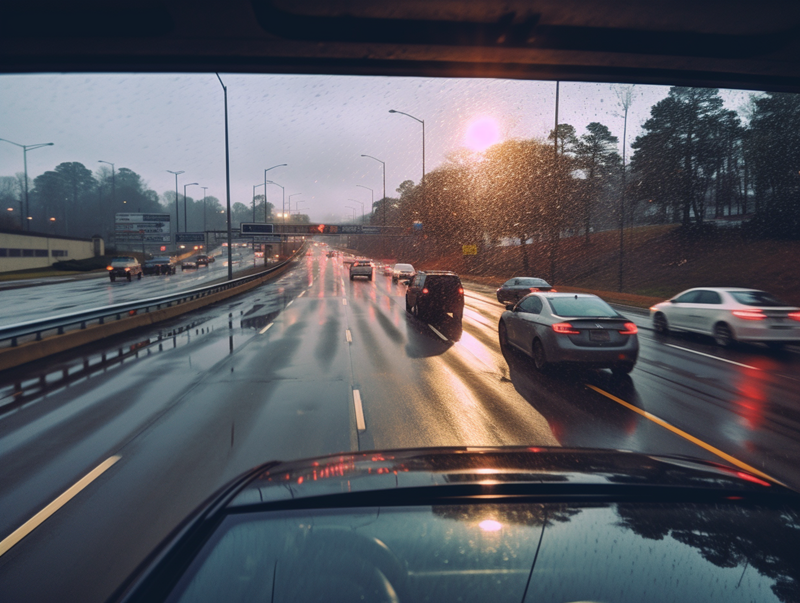

Interstate 17 runs through desert basins, mountain canyons, and narrow washes between Phoenix and Flagstaff. During Arizona’s monsoon season, these landscapes transform quickly and unpredictably. Heavy storms can turn dry ground into rushing water within minutes. For drivers on I-17, this sudden change creates serious dangers. An I-17 flooding crash can happen without warning, even under clear skies miles away from the storm. Understanding how monsoon conditions affect the roadway helps drivers appreciate the risks and take proper precautions.
From June through September, monsoon storms bring intense rainfall, strong winds, and limited visibility. The rain often falls faster than the ground can absorb it. Water flows downhill toward low points along the interstate, including underpasses, dips, and drainage crossings. Sections near Black Canyon City, New River, and the approaches to the Verde Valley are especially vulnerable. When water collects on the roadway, vehicles can lose traction, stall, or get swept into deeper currents. These hazards make the monsoon season one of the most dangerous times to travel on I-17.
Unlike steady winter rain, monsoon storms arrive suddenly and drop large volumes of water in short periods. Drivers may enter a dry stretch of highway and encounter flooding minutes later. This unpredictability contributes to several cases of monsoon accidents in Arizona each year. Motorists often underestimate the force of moving water or overestimate their vehicle’s ability to cross flooded pavement. These misjudgments lead to collisions, rollovers, and cars stranded in dangerous locations. On a highway as fast and rugged as I-17, the consequences can be severe.
Flash Flood Dynamics and Why I-17 Flooding Crashes Occur
Flash flooding poses the greatest threat during the monsoon season on I-17. Desert soil struggles to absorb heavy rain, which causes runoff to accelerate quickly. Water rushes through arroyos, culverts, and drainage channels that intersect the interstate. When these systems overflow, water spills onto travel lanes. Drivers approaching at highway speeds may not recognize the depth or movement of the water until it is too late.
An I-17 flooding crash often begins with reduced traction. Even shallow water can cause hydroplaning, especially at higher speeds. Tires lose contact with the pavement, which prevents steering and braking. A driver may spin across lanes or collide with other vehicles before regaining control. Because traffic on I-17 often moves quickly, one hydroplaning vehicle can trigger a chain reaction involving multiple cars.
Visibility also drops sharply during monsoon storms. Heavy rain creates a wall of water that limits sight distance. Spray from large trucks worsens the problem. Drivers may not see standing water, debris, or stopped vehicles ahead. Sudden braking in low visibility increases rear-end collisions, which remain common during monsoon accidents in Arizona on I-17.
Flash floods also carry debris onto the roadway. Rocks, mud, branches, and even damaged guardrails can wash across lanes. When vehicles strike this debris, drivers may lose control or suffer tire blowouts. Larger debris can block lanes entirely, forcing abrupt lane changes in poor visibility. These sudden maneuvers increase the risk of sideswipe crashes and rollovers, particularly near curves and elevation changes.
Another danger involves underestimating moving water. Drivers may attempt to cross flooded sections, believing the water is shallow. However, as little as twelve inches of moving water can push a vehicle sideways. Larger vehicles may float, while smaller cars can be swept off the roadway. Several monsoon accident cases involve vehicles that are driven into ditches or washes adjacent to I-17. Rescue efforts in these situations become complex and dangerous for first responders.
High-Risk Locations, Driver Behavior, and Monsoon Accident Arizona Patterns
Certain stretches of I-17 experience higher flooding risks during the monsoon season. Low-lying areas near washes and drainage crossings collect runoff quickly. Curved sections near mountain slopes funnel water toward the roadway. Construction zones with altered drainage patterns can worsen pooling. When storms hit these areas, flooding may develop faster than warning signs or closures can be deployed.
Driver behavior also plays a critical role in I-17 flooding crashes. Many drivers maintain highway speeds despite heavy rain. Others follow too closely, leaving little room to react. Some drivers attempt sudden lane changes to avoid water, which increases collision risks. Fatigue and distraction further reduce reaction time during storms, especially for long-distance travelers unfamiliar with monsoon conditions.
Commercial vehicles face unique challenges during monsoon storms. Large trucks create heavy spray that reduces visibility for surrounding traffic. Their longer stopping distances make it harder to slow on wet pavement. If a truck hydroplanes or stalls in standing water, it can block multiple lanes. These incidents often cause extended closures and secondary crashes as traffic backs up along mountainous sections of I-17.
Nighttime storms increase the danger even further. Darkness makes it harder to judge water depth and roadway conditions. Headlight glare reflects off wet pavement and rain, which strains visibility. Many drivers do not realize they have entered a flooded area until the vehicle begins to lose control. Nighttime I-17 flooding crashes often involve severe impacts because drivers react later than they would in daylight.
Emergency response during monsoon storms also faces challenges. Flooded shoulders and blocked access roads can delay rescue crews. In remote stretches between exits, response times increase. Swift-moving water may prevent the immediate rescue of stranded motorists. These delays can worsen injuries and increase the severity of outcomes following a monsoon accident on I-17 in Arizona.
I-17 Flooding Crash Risks, Driver Precautions, and When to Seek Help
I-17 flooding crash risks increase dramatically during the monsoon season due to flash floods, reduced visibility, and unpredictable water flow. Drivers can reduce danger by slowing down, increasing following distance, and avoiding flooded roadways entirely. Turning around rather than crossing water often prevents serious harm. Paying attention to weather alerts and road closure warnings also helps drivers make safer decisions during storms.
Even with precautions, some monsoon accidents remain unavoidable. Other drivers’ mistakes, sudden flooding, or debris can place motorists in danger despite careful behavior. When a crash occurs, victims may face injuries, vehicle damage, and significant disruption. Medical care becomes the priority, especially since some injuries may not show symptoms immediately after the collision.
A monsoon accident Arizona case often involves complex liability questions. Road conditions, visibility, driver behavior, and vehicle response all factor into determining fault. Insurance companies may argue that weather alone caused the crash, even when driver negligence played a role. Victims should understand that severe weather does not automatically eliminate liability.
If you or a loved one suffered injuries in an I-17 flooding crash during monsoon season, you may have options for financial recovery. Get in touch with us by filling out the contact form and arrange a consultation with a trained and experienced Interstate 17 accident lawyer who can evaluate your situation, protect your rights, and pursue fair compensation so you can focus on recovery and moving forward.