
I-17
35.1527494,
-111.6804866
EMS Response Challenges on I-17
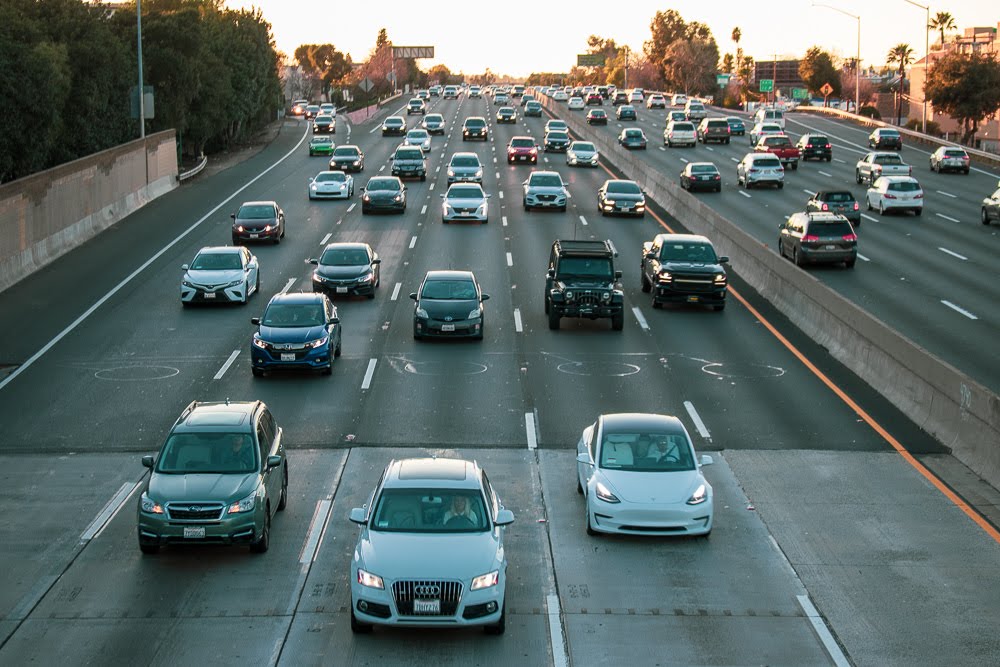

Interstate 17 cuts through some of Arizona’s most rugged and striking terrain. It runs from downtown Phoenix to Flagstaff, climbing sharply through Black Canyon City, winding past Sunset Point, and stretching across long rural miles before reaching the high country. The interstate handles heavy traffic every day, with commuters, tourists, long-haul trucks, motorcycles, and RVs all relying on the corridor. Yet crashes along I-17 create far greater challenges than accidents on urban highways. Steep grades, narrow shoulders, unpredictable weather, and limited access points slow emergency medical services, often turning seconds into minutes and minutes into life-threatening delays.
Understanding why EMS response can falter in these mountain and desert segments is vital for anyone who travels on I-17. The combination of geography, infrastructure, and traffic conditions creates unique barriers that affect victims, first responders, and the outcomes of serious crashes.
The Geography of I-17 and How It Creates EMS Delays
I-17 climbs more than 5,000 feet from Phoenix to Flagstaff, passing through desert basins, tight canyons, and long mountain grades. This terrain shapes the way emergency crews respond to collisions. Rural sections between New River, Black Canyon City, and Cordes Junction offer few exits and limited access roads. Fire and medical crews often travel miles before reaching the crash site, especially when the wreck happens in a narrow pass or on a steep grade.
Steep climbs and descents near Sunset Point slow response vehicles. Even well-trained crews must reduce speed to navigate the terrain safely. During heavy traffic or after a major crash, lanes often become blocked, forcing EMS teams to wait for a path through or to access the scene from an opposite direction. These slowdowns extend response times far beyond what victims might expect in urban settings.
Weather compounds the problem. The desert floor near Phoenix may sit under clear skies, while fog, rain, or snow covers the high country. Crews may battle visibility issues or iced pavement while climbing toward the crash site. When conditions deteriorate, helicopters may not fly, eliminating a critical option for rapid transport. These challenges often mean victims wait longer for lifesaving care, even as bystanders call 911 within minutes.
Traffic Patterns and Congestion Increase EMS Delays on I-17
Heavy traffic remains one of the most significant obstacles for emergency response along I-17. The interstate carries steady flows of vehicles every day, but volumes surge on weekends, holidays, and during winter travel between the Valley and Flagstaff. When a crash blocks one or more lanes, backups stretch for miles. Emergency vehicles often struggle to move through narrow gaps or reach median U-turns.
Tourist traffic creates added complications. Rental cars, out-of-state drivers, and RVs may not know how to create emergency lanes or move to the shoulder correctly. These delays can cost precious minutes during a critical response.
Large trucks also contribute to slower clearance times. A jackknifed semi on a grade near Black Canyon City may shut down lanes for hours. EMS cannot reach the scene until highway crews move debris or law enforcement creates a safe path. During winter storms near Munds Park, multiple spinouts often occur at once, leaving emergency teams to triage several incidents scattered across miles of icy roadway. All of these conditions combine to make rapid response a challenge, even when crews receive immediate notification.
Limited Infrastructure and Access Points on I-17
Rural highway design along I-17 shapes the way responders reach crash sites. Many segments lack wide shoulders, median crossovers, or alternative approaches. When a collision happens in a constrained area, responders may have only one direction of access. If that direction becomes blocked with stopped traffic, EMS must wait or attempt a riskier approach.
Some sections between Phoenix and Cordes Junction include long distances between exits. When traffic shuts down, responders may enter using an off-road path or a service road, but these routes do not always reach the exact location of the crash. Agencies sometimes coordinate with ADOT to allow crews to enter through locked gates or utility access points, but these options take time to organize.
Rural fire districts often cover large areas with limited personnel. A station near Black Canyon City may send its only available crew to one crash while another collision happens miles away. Mutual aid is common along I-17, but travel times between departments add to overall delays.
Communication and Coordination Challenges in Mountain Areas
Emergency response on I-17 depends heavily on communication between dispatchers, law enforcement, fire crews, paramedics, ADOT, and air-med units. Mountain terrain, however, creates radio dead zones. Signals may weaken, break, or fail in narrow canyons or high elevations.
When crews cannot communicate, they may arrive without full information. They may not know how many victims are present, whether hazardous materials are involved, or whether police have secured the scene. Coordination gaps slow extrication, transport decisions, and triage efforts.
Multijurisdictional responses add complexity. A crash near the Yavapai County line may involve two counties, multiple agencies, and different radio systems. Dispatchers work to bridge the communication gap, but delays happen at critical moments.
Air-medical units provide vital support on I-17 because ground units often face long travel times. Yet helicopters depend on weather, daylight, and safe landing zones. Fog near Sunset Point or high winds near the Rim can prevent air rescue. When helicopters cannot launch, paramedics must rely on long ambulance transports over rough grades, adding even more time. These coordination issues make EMS response on I-17 far more complex than in urban environments.
How Crash Severity Increases When EMS Response Slows
Delayed response times along I-17 often increase the severity of injuries. Victims suffering from trauma, internal bleeding, or compromised airways need rapid care to prevent deterioration. Every minute without treatment raises the risk of long-term complications.
Extrication also takes longer in serious crashes. Rollovers and multi-vehicle collisions on steep grades may push vehicles into guardrails or down embankments. Fire crews need more time to reach trapped occupants or stabilize vehicles perched at dangerous angles.
Winter conditions magnify these risks. Hypothermia can develop within minutes when snow or freezing rain covers the high country. Victims waiting for paramedics may suffer additional harm before help arrives.
Because many parts of I-17 sit far from major hospitals, even after EMS reaches the scene, transport time remains significant. Victims often travel to Phoenix or Flagstaff for advanced care, creating another layer of delay during a critical period.
The Role of Technology and Infrastructure Improvements on I-17
Efforts to improve EMS response on I-17 continue, but limitations remain. ADOT uses cameras, sensors, and message boards to alert drivers to crashes and clear lanes for emergency crews. These systems help improve situational awareness and alert responders sooner.
Infrastructure projects aim to widen segments, add shoulders, and improve traffic flow. Yet construction zones sometimes create new hazards. Narrowed lanes, temporary barriers, and reduced speeds slow both everyday drivers and emergency teams responding to collisions.
Despite these improvements, rural and mountainous segments continue to challenge even the most prepared agencies. Terrain and weather create obstacles that technology cannot fully overcome.
I-17 EMS Crash Challenges and When Victims Should Seek Help
EMS delays on I-17 result from a combination of steep grades, rural stretches, heavy traffic, and limited access points. These conditions shape every aspect of a crash, from the moment of impact to the arrival of first responders. Victims face long waits for care, difficult extractions, extended transport times, and complex medical challenges.
When a serious crash happens, the consequences reach far beyond the scene. Victims must navigate medical bills, lost wages, long recoveries, and insurance disputes. Investigations into I-17 crashes often reveal factors such as speeding, distracted driving, poor road conditions, or vehicle failures. Each of these issues influences liability and compensation.
If you or a loved one suffered injuries in an I-17 EMS crash, or if a delayed emergency response contributed to the severity of those injuries, you may have legal options. Get in touch with us by filling out the contact form and arrange a consultation with a trained and experienced Interstate 17 accident lawyer who can fight for justice and fair compensation on your behalf so you can focus on recovery and rebuilding your life.