

I-17
35.1527494,
-111.6804866
Teen & New Driver Risks on I-17
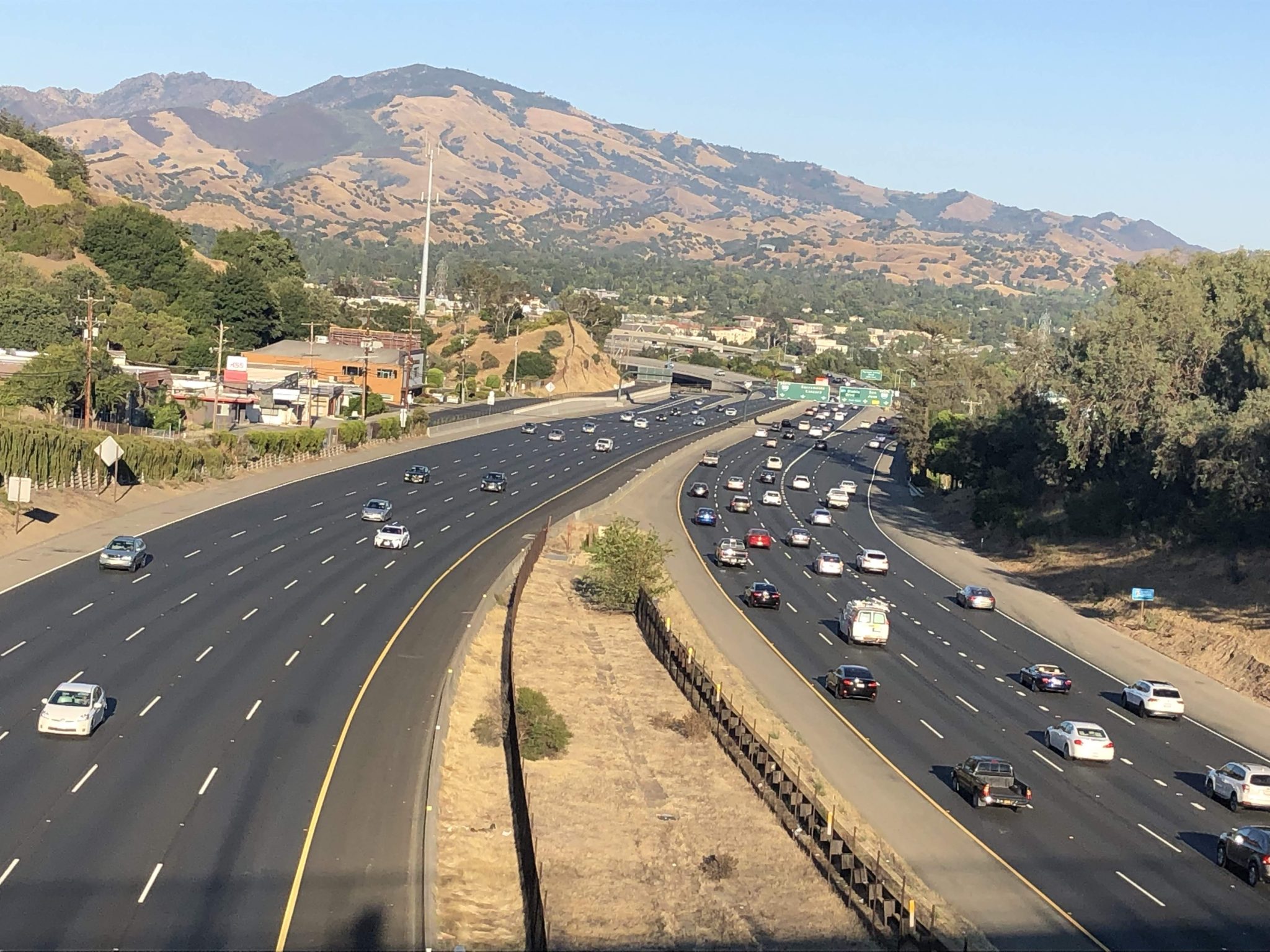

Interstate 17 cuts through the heart of Arizona, linking Phoenix with Flagstaff while moving thousands of vehicles every day. Teen and new drivers travel this route to reach school, sports activities, work shifts, or weekend destinations. Parents often trust that their young drivers understand highway safety. Yet I-17 challenges even seasoned motorists with fast traffic, changing terrain, and sudden congestion. These hazards become far more dangerous for teens whose driving experience remains limited.
Teen drivers face higher crash risks because they develop skills gradually. Their decision-making improves with practice, but they often struggle with unpredictable situations. I-17 presents those situations constantly. Heavy traffic outside Phoenix, steep climbs near Black Canyon City, and sharp curves approaching Sedona all demand mature judgment. New drivers may misjudge speed, fail to anticipate lane changes, or overlook vehicles approaching rapidly from behind. Each mistake can escalate into a serious crash.
Distraction compounds the danger. Teens often face temptations that pull their attention from the road. Conversations with friends, incoming messages, and music changes all create moments of inattention. A glance away from I-17’s fast-moving lanes can have devastating consequences. The highway’s narrow shoulders and limited escape routes leave little room for correction once a young driver drifts or reacts too late.
Fatigue also plays a major role. Many teens drive I-17 early in the morning or late at night. School schedules force early departures, while social events or part-time jobs delay evening returns. Limited sleep affects reaction time and judgment. When fatigue meets I-17’s downhill grades or rapid curves, risk increases sharply. Parents must understand how these conditions affect teens and take steps to prepare them before they drive alone.
Weather adds additional pressure. Rain, fog, and winter ice near Flagstaff create sudden hazards. Teen drivers may lack experience in poor conditions and may overcorrect when the roadway becomes slick. A single skid can lead to a spin or collision, especially on curved or elevated sections of I-17. Parents who understand these risks can help teens develop safer habits before real problems arise.
Understanding How Teen Crashes Happen on I-17
Crash patterns involving teen and novice drivers often follow predictable trends. New drivers misjudge closing distances and fail to account for I-17’s high speeds. They may attempt lane changes too slowly or accelerate too late when merging near Anthem or approaching Verde Valley. These errors increase the chance of sideswipes or rear-end collisions. When traffic flows rapidly, hesitation can be as dangerous as reckless behavior.
Inexperience also affects hazard recognition. Teens focus on what is directly ahead and may not scan multiple lanes or evaluate the behavior of surrounding drivers. They may overlook brake lights several vehicles ahead or miss early signs of congestion. I-17 often shifts from high-speed flow to slow traffic within seconds, especially near interchanges. A teen who reacts late may slam on the brakes, lose control, or trigger a multi-vehicle crash.
Distraction remains one of the strongest contributors to teen accidents. Even hands-free phone use divides attention. Music adjustments or conversations with friends can disrupt awareness. Teens may think they can handle these interruptions, but their brains lack the driving experience needed to multitask safely. On I-17, a momentary distraction can cause a young driver to drift, miss a merge, or fail to notice a stopped vehicle on the shoulder.
Speeding is another major factor. Many drivers exceed posted limits on downhill sections or long desert stretches. Teens may feel pressure to match the surrounding speeds, even if they feel uncomfortable. Excessive speed reduces reaction time and increases stopping distance. When new drivers combine speed with limited experience, the results often lead to severe injuries.
Peer pressure plays a silent but powerful role. Teens may avoid slowing down or changing lanes safely because they fear judgment from friends. They may take risks they would never take alone. I-17 amplifies these dangers because risky decisions unfold at high speed. Parents can help by discussing these pressures and explaining why caution matters more than impressing passengers.
Weather-related crashes also affect teen drivers disproportionately. Many young drivers have limited experience with hydroplaning, fog navigation, or icy pavement. I-17’s elevation changes create abrupt temperature shifts that produce black ice or sudden fog banks. Teens who lack practice often panic when conditions change. Panic leads to jerky steering, sudden braking, and loss of control. Parents should focus on teaching teens how to stay calm and respond gently to adverse conditions.
Preparing Teens for the Realities of I-17 Driving
Parents play the most important role in preparing teens for I-17. Young drivers need guidance, patience, and honest conversations about risk. Safe driving habits form slowly and require consistent reinforcement. Teens must understand not only how to operate a vehicle but also how to anticipate threats unique to this highway.
Practice builds skill and confidence. Parents should introduce teens to I-17 gradually. Early sessions can take place during lighter traffic hours or shorter segments. These controlled experiences help teens adapt to highway speeds without feeling overwhelmed. Parents can discuss lane selection, mirror checks, spacing, and how to merge smoothly without hesitation.
Communication matters just as much as practice. Teens respond well to calm explanations. Parents can describe cues that signal traffic shifts, such as brake lights in the distance, lane changes by commercial trucks, or the approach of steep grades. These discussions help teens process their environment more effectively.
Parents should also model safe behavior. Teens notice how adults drive and follow those examples. If parents remain patient, avoid distractions, and maintain safe speeds, teens are more likely to adopt similar habits. Modeling becomes especially important on I-17, where risky driving is common.
Fatigue education helps teens avoid dangerous situations. Parents should explain how lack of sleep affects reaction time and why long trips demand rest. Teens may not recognize early signs of fatigue, and they must learn to pull over before they reach the point of impairment. Rest stops along I-17 offer safe locations to take a break and regain focus.
Weather training prepares teens for sudden changes near the mountains. Parents can explain how to reduce speed without braking harshly, how to steer gently on slick pavement, and how to maintain extra space from other vehicles. These skills help teens stay calm when conditions shift from clear skies to fog or snow within minutes.
Honest conversations about peer pressure remain essential. Teens should know that they can say no to distractions or unsafe passenger behavior. Parents can encourage them to set boundaries before they drive. Confidence in those boundaries can stop dangerous situations before they begin.
Legal and Safety Considerations for Parents After an I-17 Teen Crash
A teen crash on I-17 can overwhelm any family. Parents must focus on medical care, emotional support, and recovery. They must also understand the legal landscape that follows a serious accident. Arizona applies a fault-based system, meaning the at-fault driver is responsible for resulting damages. Determining fault on a highway as complex as I-17 requires careful investigation.
Police reports, witness statements, and roadway evidence help establish the sequence of events. In cases involving severe injuries, photographs, dashcams, and traffic data may also play a role. Teen drivers may share fault if they made unsafe decisions, but Arizona’s comparative negligence rules allow recovery even if both parties contributed to the crash. Parents often worry about blame, yet the legal system focuses on all contributing factors rather than a single mistake.
Insurance companies review every detail of a teen crash. Adjusters may attempt to shift more fault onto a young driver because of their inexperience. Parents should approach these discussions carefully and avoid accepting early settlement offers without understanding the full scope of the damages. Medical treatment can continue for months after an I-17 crash, and early settlements rarely account for long-term needs.
Teens may require counseling after a severe accident. Fear, anxiety, and loss of confidence behind the wheel are common. Parents can support recovery by validating these emotions and seeking professional help when needed. Driving again requires patience and reassurance, especially when the crash occurred on a challenging route like I-17.
Families dealing with medical bills, missed work, and vehicle damage may need legal guidance. A qualified attorney can review the evidence, communicate with insurers, and protect the family’s rights. Parents do not need to face this process alone. Support helps families focus on healing while someone manages the legal challenges that follow a serious crash.
Protecting Your Family After an I-17 Crash
Understanding I-17 teen crash risks empowers parents to guide young drivers toward safer habits. When a teen or novice driver faces the aftermath of an accident, legal support becomes essential. If your family needs help after an I-17 teen crash, consider speaking with an experienced Arizona accident attorney who can explain your options, protect your rights, and help you move forward with confidence. Get in touch with us by filling out the contact form and arrange a consultation with a trained and experienced Interstate 17 accident lawyer who can fight for justice and fair compensation on your behalf so you can focus on recovery and rebuilding your life.