
I-17
33.6612589,
-112.1138352
Evidence Checklist After an I-17 Crash
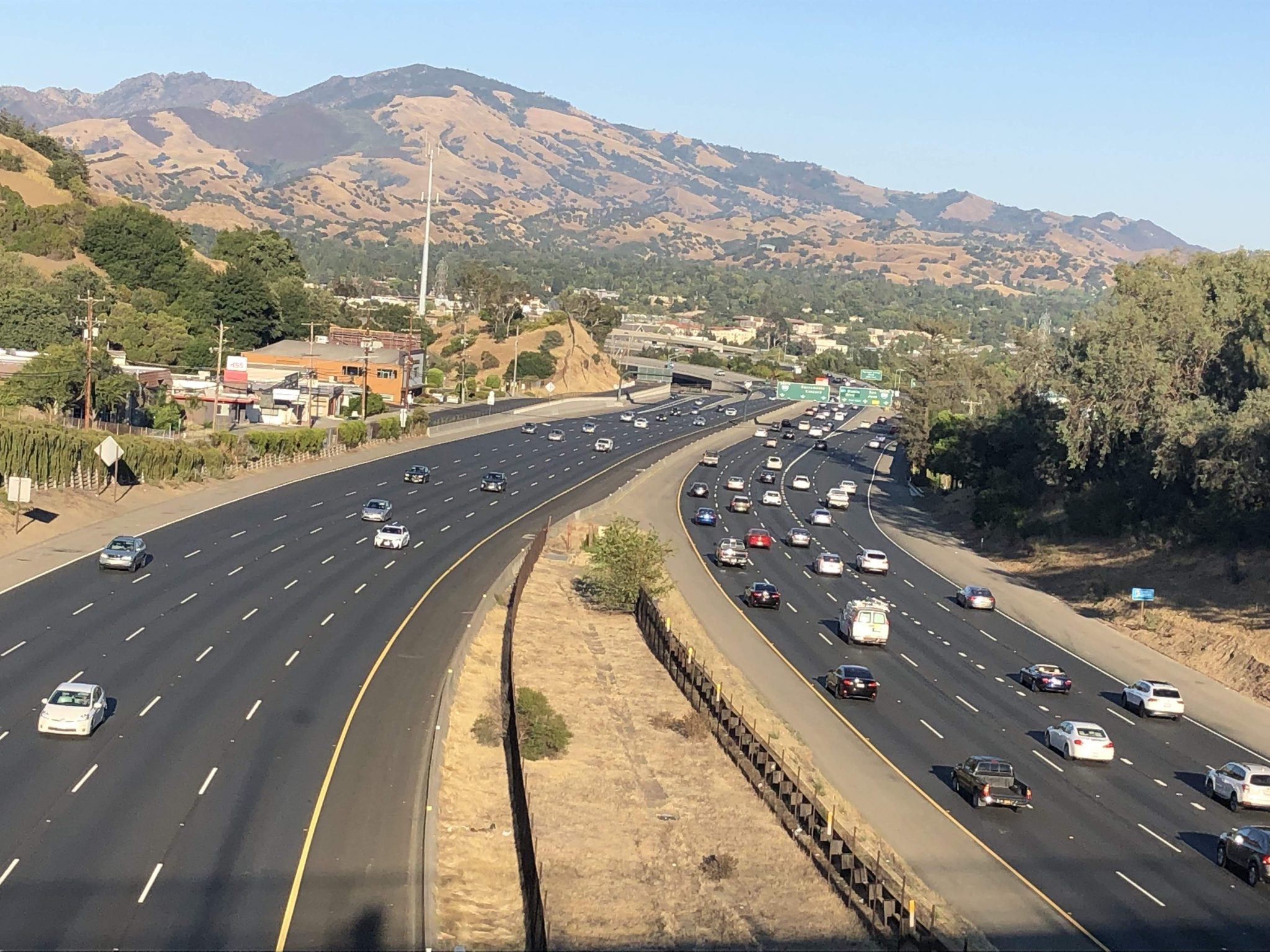

Crashes along Interstate 17 in Arizona, whether near Phoenix, Black Canyon City, or the Sunset Point Rest Area, leave drivers overwhelmed in seconds. Traffic backs up quickly on this mountain corridor, and victims often don’t know what evidence they need to protect their rights. What you do in the minutes, hours, and days after the crash can make the difference between a denied insurance claim and fair compensation.
This guide explains how to gather and preserve the most important evidence after an I-17 crash, why Arizona law makes documentation essential, and how to avoid losing proof that could support your case. Bullet points are used only where absolutely necessary for clarity.
Why Evidence Matters After an I-17 Crash
I-17 is one of Arizona’s most dangerous highways, with heavy commercial truck traffic, steep grades, and sudden weather changes. DPS and ADOT report frequent collisions near Anthem, Camp Verde, and Cordes Junction. Insurance companies act quickly after crashes on this route, often sending adjusters before vehicles are even towed. Without solid evidence, injured drivers risk losing the ability to prove fault, medical expenses, or lost wages.
Arizona follows a comparative negligence system. That means you can recover compensation even if you are partially at fault, but your compensation is reduced based on your percentage of liability. Evidence helps minimize blame placed on you and strengthens your position during negotiations or in court.
Step One: Document the Scene While You Can
If it’s safe, take action before vehicles are moved or debris is cleared. Traffic on I-17 gets rerouted quickly, especially near interchanges and canyon passes. Once tow trucks arrive, critical evidence disappears.
Focus on gathering only the essentials:
- Photos of vehicle damage, skid marks, road conditions and surroundings
- Names and contact information of witnesses
- License plate numbers, insurance details and driver information
- The exact location, mile markers, nearby exits or landmarks such as New River Road or Sunset Point
Try to take wide-angle and close-up images to show both the overall crash layout and specific damage. If you cannot safely do so, ask a passenger or bystander for help. Never put yourself in danger to collect evidence.
Step Two: File and Request the Police Report
In Arizona, crashes causing injury, death, or significant damage must be reported to law enforcement. Arizona DPS or local police typically respond to I-17 collisions. Always request that an officer document the crash.
Once the report is filed, you can request a copy. This report includes:
- The officer’s assessment of fault
- Driver statements and witness details
- Diagrams of the crash scene and road conditions
- Citations issued for violations like speeding, impaired driving, or following too closely
Police reports are considered one of the most valuable forms of evidence, and insurers rely on them during claim evaluations.
Step Three: Preserve Physical and Digital Evidence
Do not repair or dispose of damaged property until it has been documented. Keep a record of everything connected to the crash.
This includes vehicle parts, torn clothing, receipts for towing and rental cars, and written notes of what you remember. Save all medical reports and maintain a journal of symptoms, pain levels and how injuries affect everyday life.
If your vehicle is towed to an impound lot near Phoenix or Camp Verde, confirm its location. Photographs and an inspection can still be conducted later, but only if you know where the vehicle is stored.
Medical Evidence: Start Early and Keep Everything
Seek medical care immediately, even if injuries feel minor. Adrenaline often masks pain from concussions and internal injuries. Waiting too long gives insurers a reason to deny your claim. They argue your injuries were unrelated to the crash.
Tell your doctor the crash happened on I-17. Describe exactly how the crash occurred. Keep copies of all your important medical records. Save your emergency room discharge papers. Keep all diagnostic imaging results, like X-rays or CT scans. Save your treatment plans and prescriptions. Also, keep all physical therapy or rehabilitation records. Continue all follow-up appointments. Track every single expense. These records show both your injury severity and treatment cost.
Witness Statements and Dashcam Footage
Witnesses are often other drivers who pulled over or residents near interchanges like Daisy Mountain Drive or Pinnacle Peak Road. Collect names and phone numbers immediately, as people often leave before officers arrive.
If your vehicle has a dashcam, save and back up the footage. Do not edit or overwrite it. If nearby vehicles or businesses at gas stations or rest areas captured the crash, ask if you may request footage. Many systems delete footage within days.
Communicating with Insurance Companies
Report the crash to your insurance company as soon as possible, but do not admit fault or guess about what happened. Stick to basic facts. Insurance adjusters may call quickly after an I-17 crash, especially when commercial trucks are involved.
Avoid giving recorded statements until you have legal guidance. Anything you say can be used to reduce or deny your claim. Never sign medical releases or settlement offers without fully understanding the terms.
Avoid Common Mistakes After an I-17 Collision
Many drivers lose critical evidence by accident. Common mistakes often cause this loss. Drivers leave the scene too quickly. They fail to take photos or get witness details. Some drivers delay needed medical treatment. Many post-crash photos or comments on social media. People repair or dispose of their vehicles before documentation. They also assume the insurer will collect all necessary evidence. Staying organized and proactive helps prevent these issues.
Most personal injury claims in Arizona must be filed within two years of the crash. This deadline is called the statute of limitations. If a government vehicle is involved, such as an ADOT or law enforcement vehicle, a formal notice of claim must be filed within 180 days. Missing these deadlines can prevent recovery entirely.
I-17 Crash Evidence and Protecting Your Rights
Evidence builds the foundation of your case after an I-17 crash. From photographs to medical records, each piece supports your claim and helps prove how the collision affected your life. Acting quickly prevents insurance companies from controlling the narrative or dismissing your injuries.
If you were injured in an I-17 accident, you do not have to handle the process alone. Don’t wait until evidence disappears; get in touch with us by filling out the contact form and arrange a consultation with a trained and experienced Interstate 17 accident lawyer who can fight for justice and fair compensation on your behalf.