
I-17
33.6612589,
-112.1138352
Dust Storm Crashes on I-17: Zero Visibility Risks
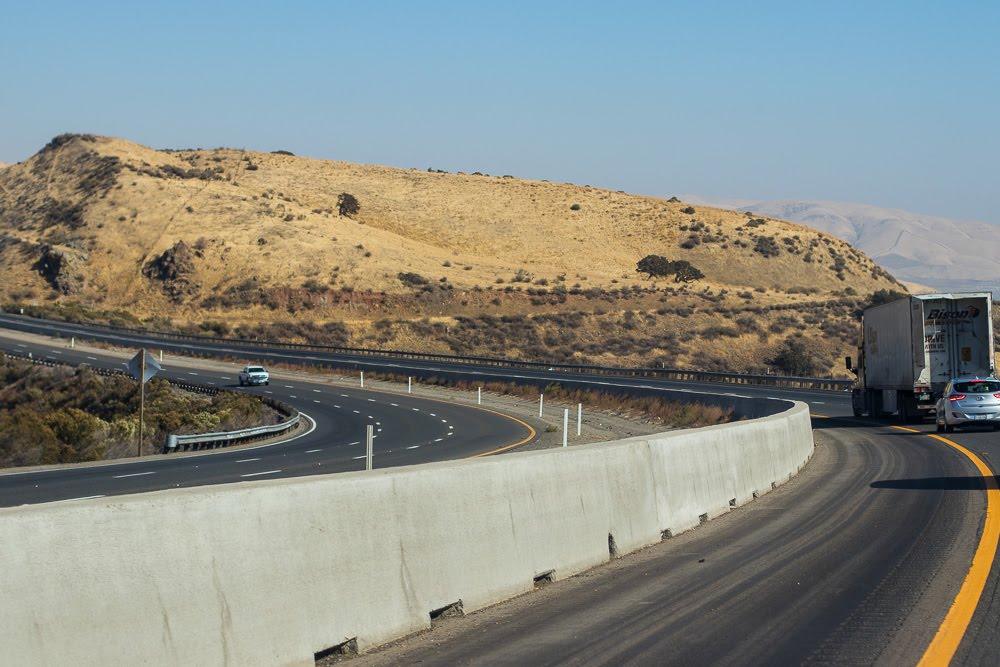

Interstate 17 links the high desert of northern Arizona with the metro Phoenix valley. The route traverses arid terrain that is prone to sudden dust storms, known locally as haboobs. When one of these massive walls of airborne dust sweeps across the highway, visibility can drop to zero in seconds. Drivers racing along at highway speed suddenly face nothing but a brown cloud, no road ahead, and no time to react. The result: multi-vehicle crashes, chain-reaction collisions, and serious injuries.
This article examines how dust storms trigger crashes on I-17, what local crash statistics and historical patterns show, how the state’s Pull Aside, Stay Alive campaign works to reduce risk, and what you should do if you encounter a dust storm on I-17.
How Dust Storms Form over I-17 and Why They Are Dangerous
Monsoon and summer weather patterns in Arizona stir up dramatic changes. High winds, often driven by thunderstorm outflows, lift dry desert soil and sand into large dust clouds. On the stretches of I-17 between Phoenix and Flagstaff, or through the desert valleys, these winds can create dust walls that advance rapidly.
When a wall of dust hits an interstate corridor, drivers often do not have sufficient warning. Visibility drops from normal to essentially nothing. In that moment, vehicles brake hard, swerve, or pile into one another. The terrain and design of I-17 amplify risk: long stretches of straight road encourage high speeds; sudden changes in elevation or terrain funnel winds and dust channels.
According to research by the Arizona Department of Transportation (ADOT) and the National Weather Service, dust storms are one of Arizona’s most underrated hazards for highway travel. In one study of serious dust events between 2000-2011, ADOT flagged 1,446 incidents statewide where weather codes identified dust/sand as a factor.
That means over 1,400 crash- or incident-type events where dust played a role. Though not all are specifically on I-17, the data clearly show that dust storms cause highway incidents in Arizona.
Because of these conditions, when drivers fail to slow or pull aside when dust hits, they risk catastrophic collisions. The chain reaction often begins when one car slows suddenly, another cannot see it in time, and a third hits both. Commercial trucks and RVs add to the danger: their size gives them more forward momentum and makes stopping less effective when visibility is zero.
Crash Patterns, Real Statistics and the “Pull Aside, Stay Alive” Campaign
ADOT actively warns drivers about dust storms with its “Pull Aside, Stay Alive” campaign. The message is simple: when visibility disappears in a dust storm, get off the roadway, pull completely off the pavement, turn off lights, set the emergency brake, and wait for the storm to end. One press release from June 10, 2024, reinforces that campaign ahead of Monsoon Awareness Week. These efforts reflect recognition of dust storms’ threat to driver safety.
Research shows that despite risk, public messaging appears to reduce some accident rates: a 2009-2017 trauma study in Phoenix found a 17% decrease in emergency‐room trauma encounters in the six hours following haboob onset compared to before the storm. That suggests drivers heeding warnings and pulling aside can reduce injuries. Yet the study also reported that when injuries did occur, they were more severe, meaning those who stayed on the road were at higher risk of a fatal outcome.
To provide more context: one national analysis found 232 deaths from dust-related motor vehicle collisions in the U.S. between 2007-2017, with most in the Southwest. Though this is not I-17‐specific, it underscores how dangerous dust storms can be for highways in arid regions. In Arizona’s case, dust storms rank third among weather-related fatalities, behind extreme heat and flash flooding.
While I-17-specific crash numbers tied solely to dust are harder to isolate, the patterns are consistent. What is clear: when a dust storm strikes, the risk of a serious crash rises sharply.
Why Drivers on I-17 Face Elevated Risks and How to Stay Safe
Driving I-17 presents special hazards during dust storms. The route combines high speeds, remote stretches, heavy truck traffic, changing terrain, and sudden weather shifts. Many drivers travel long distances through desert terrain, perhaps assuming clear skies. But on arid ground, even moderate winds can lift enough dust to obscure a multi-lane highway in moments.
When dust hits, drivers must adjust quickly:
- Recognize the warning signs: a wall of dust on the horizon, swirling clouds, sharp darkening of the road ahead.
- Slow early: reduce speed well before you enter the dust zone.
- Exit if possible: look for a safe off-ramp or pull completely off the paved part of the highway.
- Turn off lights and set emergency brake: ADOT’s campaign explicitly tells drivers to switch off all external lights so other vehicles don’t aim at you, and to let the vehicle sit rather than brake further and risk a hit from behind.
- Stay belted and remain inside, with doors locked, until visibility returns enough to move safely.
- Document after: if you must drive afterwards and you become involved in a crash, take photos, note time and conditions, and record witnesses if possible.
One reason the “Pull Aside, Stay Alive” guidance matters: continuing to drive into a dust wall is often a death wish. Many drivers assume they can outrun or drive through the storm, but once visibility drops to near zero, reaction times collapse. A sudden stop at 70 mph becomes impossible. The chance of multi-vehicle pile-ups rises dramatically.
The design and traffic of I-17 add to risk: the highway often carries heavy freight, RVs with trailers, and out-of-state tourist drivers unfamiliar with Arizona dust hazards. A driver unfamiliar with haboobs may not anticipate the need to stop immediately, compounding the danger.
The consequences can range from chain collisions to rollovers to fatal crashes. The fact that dust storms can span only seconds but require minutes of safe waiting makes driver behavior critical.
Dust Storm Crashes on I-17: Call an Experienced Lawyer
When we talk about a dust storm crash on I-17, we are discussing a rapidly unfolding hazard where driver inattention or delay in response can lead to life-altering consequences. The combination of desert terrain, high speeds, heavy traffic, and sudden visibility loss creates one of the most dangerous crash scenarios on Arizona roadways. The data and research show dust storms do cause severe collisions, and the “Pull Aside, Stay Alive” campaign is one of the few countermeasures that works.
If you or a loved one suffered an injury in a crash on I-17 caused or aggravated by a dust storm, your safety and legal rights matter. Understanding what you should have done, what you could not do, and how the other party behaved can be key in determining whether negligence played a role.
Get in touch with us by filling out our contact form and arrange a consultation with a trained and experienced Interstate 17 accident lawyer.