
I-17
35.1527494,
-111.6804866
Why Traffic Alerts on I-17 Change So Quickly
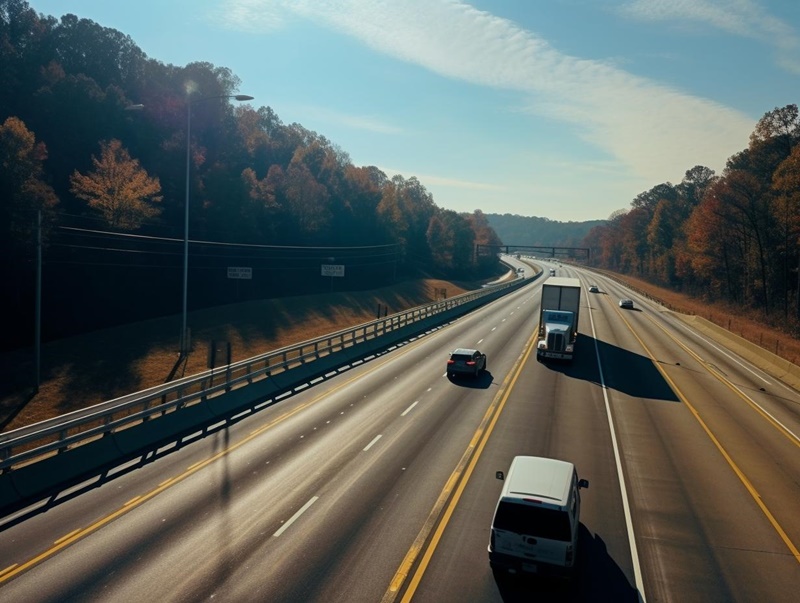

Traffic and accident information on Interstate 17 comes from multiple reporting systems. These include ADOT monitoring tools, law enforcement observations, navigation platforms, weather services, and news outlets. Each source collects data for a different purpose and updates it on a different timeline. Because of this structure, I-17 traffic alerts can change rapidly, disappear, or look inconsistent across platforms.
The sections below explain the main reasons real-time traffic updates in Arizona shift so frequently on I-17. Each item focuses on one reporting factor that influences incident update timing and public alerts.
1. ADOT Verification Processes Affect Update Speed
ADOT provides the official foundation for I-17 traffic alerts. Its updates focus on confirmed road conditions, lane closures, construction activity, and safety advisories.
Because ADOT verifies information before publishing it, updates may appear later than on other platforms. This approach reduces errors but contributes to traffic alert delays on I-17 when incidents are still developing.
Why confirmation slows initial alerts
ADOT relies on traffic cameras, field crews, and coordination with law enforcement. Staff confirm lane impacts and safety risks before releasing updates. During fast-moving situations, conditions may change again before confirmation posts.
Drivers can view official I-17 live traffic changes through the Arizona 511 system operated by ADOT:
https://www.az511.gov/
2. Law Enforcement Priorities Shape Early Information
Law enforcement officers often encounter crashes or hazards first. Their initial focus remains scene safety, traffic control, and investigation.
Public traffic alerts usually follow after immediate risks are addressed. Early details may list blocked lanes or closures without context or duration.
Why does police information change over time?
Initial observations reflect limited information. As vehicles move, lanes reopen, or investigations progress, updates change. This process explains why early alerts sometimes reverse or disappear.
3. Navigation Apps React to Traffic Movement, Not Causes
Navigation platforms detect I-17 live traffic changes by monitoring vehicle speed and movement patterns. When multiple vehicles slow suddenly, systems infer congestion or an incident.
These alerts appear quickly and may update several times within minutes. However, they do not confirm what caused the slowdown.
How speed-based systems create rapid changes
If traffic recovers briefly, alerts may clear even if an incident remains nearby. When congestion returns, alerts may reappear. This cycle causes I-17 traffic alerts to change repeatedly in short periods.
4. Crowdsourced Driver Reports Add Volatility
Many navigation platforms allow drivers to report crashes, debris, or stopped vehicles. These reports can appear within minutes of an event.
Crowdsourced alerts help explain sudden slowdowns before official sources update. However, they depend on user judgment and timing.
Why crowdsourced alerts disappear quickly
Reports may clear automatically if no other drivers confirm them. Some remain visible after conditions improve. This variability adds to confusion about real-time traffic updates in Arizona.
5. Weather Conditions Change Faster Than Reports
Weather plays a major role in I-17 traffic alerts. Rain, snow, fog, wind, and dust can reduce speeds without causing accidents.
Navigation systems may flag weather-related slowdowns as incidents. Official systems may issue advisories without listing crashes.
How weather causes shifting alerts
Conditions can improve or worsen within minutes, especially along elevation changes near Flagstaff. Alerts update as traffic responds, not always as weather changes.
6. Traffic Cameras Show Snapshots, Not Continuity
Traffic cameras support many official and media reports. They provide visual confirmation of congestion, closures, or surface conditions.
However, cameras show only a moment in time. Conditions may change immediately after a check.
Limits of camera-based updates
Not all I-17 segments have camera coverage. Remote stretches rely on indirect reports. This gap contributes to alert timing differences between locations.
7. Construction Activity Creates Predictable but Shifting Alerts
Planned construction affects I-17 traffic patterns regularly. ADOT publishes schedules in advance, but real-world impacts vary.
Lane restrictions may begin earlier or later than planned. Equipment or weather can change timelines.
Why construction alerts fluctuate
Navigation apps may detect backups before official notices update. Conversely, planned alerts may remain after congestion clears. This overlap leads to conflicting information.
8. Commercial Vehicle Behavior Extends Alert Duration
Heavy commercial traffic influences how quickly congestion forms and clears on I-17. Trucks require more time to slow, stop, and accelerate.
After an incident clears, traffic may remain slow due to truck movement. Alerts may persist even when lanes reopen.
How trucks affect incident update timing
Systems base alerts on traffic flow rather than clearance notices. Until speeds normalize, platforms may continue showing congestion.
9. News Outlets Interpret and Summarize Information
News organizations monitor official feeds, scanners, and field reports. They translate technical updates into public-facing summaries.
During major disruptions, news alerts may update frequently. Each update reflects the latest available confirmation.
Why news reports change wording
Early coverage relies on preliminary information. As agencies release verified updates, wording shifts. This evolution can appear inconsistent to readers.
10. Social Media Amplifies Early and Unverified Reports
Social media platforms spread I-17 traffic alerts rapidly. Posts may come from drivers, residents, or community pages.
These updates often appear before official confirmation. They may lack follow-up when conditions change.
Posts may exaggerate severity or omit clearance updates. Verification through official sources remains necessary.
11. Incident Clearance Happens in Stages
Traffic incidents rarely clear all at once. Lanes reopen gradually as vehicles move and debris clears.
Alerts update at each stage. A closure alert may change to a slowdown alert, then clear entirely.
Each update reflects a new stage rather than an error. Drivers may encounter lingering congestion even after closures end.
12. Data Sharing Between Systems Takes Time
Many platforms rely on shared data feeds. Information moves from one system to another with processing delays.
An alert may appear on one platform before another updates. This lag explains why traffic alert delays on I-17 differ by source.
13. Algorithms Prioritize Different Signals
Each platform defines congestion differently. Some focus on speed drops. Others focus on confirmed closures.
Because thresholds differ, alerts trigger and clear at different times. This design choice contributes to I-17 traffic alerts changing frequently.
14. Why Checking Multiple Sources Reduces Confusion
No single platform provides a complete real-time picture. Official systems verify safety conditions. Navigation apps show immediate traffic behavior.
Comparing sources helps drivers understand whether an alert reflects a confirmed incident or a temporary slowdown.
15. Understanding Alert Changes Improves Decision Making
Rapid alert changes reflect active systems responding to live conditions. They do not always signal errors or misinformation.
Drivers who understand reporting limits can interpret updates more accurately. This awareness reduces frustration and improves trip planning.
Traffic alerts on I-17 change quickly because they come from multiple systems with different goals and timelines. ADOT focuses on verified safety information. Navigation platforms react instantly to traffic movement. Weather, construction, and commercial traffic add further complexity.
Understanding how these systems work helps explain why alerts appear, change, or disappear. Checking more than one reliable source remains the best way to evaluate current I-17 traffic conditions and recent incident activity. For more information about traffic alerts on I-17, get in touch with us by filling out the contact form on our website.