
I-17
35.1527494,
-111.6804866
Pedestrian & Roadside Worker Crashes Along I-17
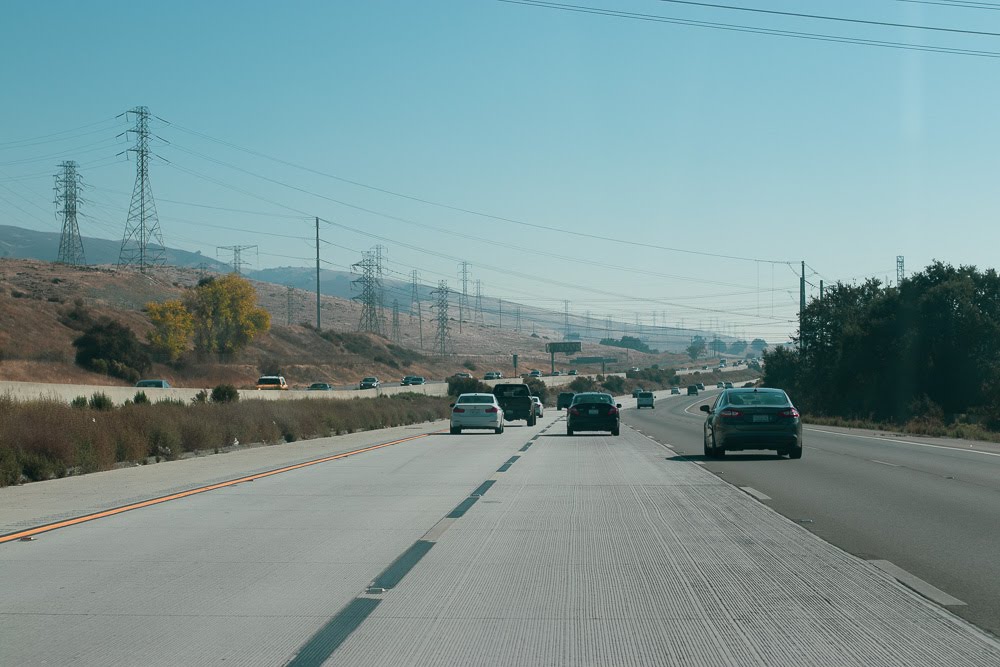

Interstate 17 cuts through some of Arizona’s most varied and challenging landscapes, connecting Phoenix to Flagstaff through desert basins, rugged canyons, and steep high-country grades. Every day, I-17 carries thousands of commuters, truck drivers, tourists, and local travelers. With this constant movement comes an ever-present risk for pedestrians and roadside workers who operate just feet away from high-speed traffic. Whether they are emergency responders assisting crash victims near Black Canyon City, construction crews working along the shoulders near Anthem, or stranded motorists checking a flat tire near Sunset Point, anyone on foot along I-17 faces tremendous vulnerability.
Unlike typical urban streets, where speed limits are lower and pedestrian visibility is higher, I-17 exposes roadside individuals to a unique combination of hazards: narrow shoulders, high-speed traffic, sudden weather changes, and inattentive or impaired drivers. Even moments spent outside a vehicle can become life-threatening. Many Arizona Department of Transportation (ADOT) workers describe I-17 as one of the most dangerous stretches for work crews due to its steep grades and limited recovery zones. For pedestrians, including stranded drivers walking to call boxes or emergency responders assisting at crash scenes, the risks increase significantly.
Understanding the danger is the first step toward prevention. Recognizing how I-17 pedestrian accidents happen, why roadside workers face heightened risks, and what victims can do after a crash helps individuals protect their rights and begin the road to recovery.
The Extreme Vulnerability of Pedestrians on I-17’s Shoulders and Rural Segments
Pedestrians are rarely expected on rural interstates, but I-17 sees far more foot traffic than many realize. Breakdowns, tire blowouts, overheating vehicles in extreme summer temperatures, or even minor collisions can force people out of their vehicles and onto the shoulder. On certain stretches, particularly between Black Canyon City and Camp Verde, help may be miles away, prompting stranded drivers to walk dangerously close to traffic.
I-17’s geography intensifies the danger. The interstate frequently narrows as it cuts through canyon walls and steep grades, leaving very limited shoulder space. Pedestrians may stand or walk only a few feet from vehicles traveling at 65–75 mph. On steep descents, trucks carrying heavy loads struggle to brake quickly, and even slight swerves can lead to catastrophic collisions with anyone on foot.
Many I-17 pedestrian accident victims report that they stepped outside their vehicles for what they believed would be only a moment, retrieving items, checking damage, waiting for a tow, or attempting to flag down help. Yet modern driver behaviors significantly increase the threat. Distracted driving, especially involving mobile devices, has become a leading factor in shoulder-related crashes. A driver glancing down at a text message for even a second may drift over the fog line, crossing into the shoulder area where a pedestrian stands.
Nighttime and early-morning conditions add further challenges. Pedestrians without reflective gear may be nearly invisible against the darkness of rural segments. Even in well-lit areas near Phoenix, drivers often struggle to detect someone on the shoulder until it is too late. Headlight glare, fatigue, and impaired driving, especially near entertainment and tourism corridors, lead to a higher percentage of severe pedestrian crashes.
Weather creates additional unpredictability. I-17 is notorious for rapid weather transitions between Phoenix and Flagstaff. Dust storms can sweep across the roadway near the desert basins south of Cordes Junction, obscuring visibility for both drivers and pedestrians. When the highway climbs into the high country, snow and ice create slick surfaces that cause vehicles to lose control and slide into the shoulders unexpectedly. Pedestrians attempting to navigate icy pavement, even briefly, place themselves at extreme risk.
Every pedestrian on I-17 faces these hazards, whether they stand on a narrow shoulder near Sunset Point or walk near stalled northbound traffic approaching Munds Park. Without the protection of a vehicle, even a seemingly minor collision becomes severe or fatal. The severity of these risks underscores why stepping outside a vehicle on I-17 should be limited to true emergencies, and why drivers must remain alert for anyone who may need help on the roadside.
Roadside Worker Dangers: Work Zones and Unpredictable Conditions
While stranded motorists face spontaneous danger, roadside workers confront ongoing daily exposure. Construction crews, ADOT employees, survey teams, utility workers, and emergency responders operate for hours at a time just inches from fast-moving traffic. Work zones along I-17, from projects near Anthem to major improvement work closer to the Verde Valley, place workers in high-risk environments despite signage, barriers, and reduced speed limits.
Work zones demand heightened driver attention, yet many motorists continue to speed or ignore lane-change requirements. Some drivers accelerate to “beat the slowdown,” misjudge traffic patterns, or fail to see lane-shift markings. When these behaviors occur in tight corridors, workers have little room to react. Even protective barriers cannot fully shield them from vehicles that drift, lose control on steep grades, or approach too quickly.
Large trucks pose a particular threat in work zones. I-17’s steep incline between Phoenix and Black Canyon City challenges braking systems, particularly when roads are wet or heavily trafficked. A fully loaded tractor-trailer that fails to slow down near a work zone can cause devastating harm to workers. These multi-ton vehicles require significantly more stopping distance, and any miscalculation can result in a catastrophic worker crash in Arizona.
Emergency responders, paramedics, firefighters, and law enforcement officers are especially vulnerable. Responding to crashes on I-17 often means working in chaotic, unpredictable environments where traffic patterns shift suddenly. Many responders must stand in or near lanes that remain open, relying on drivers to slow down and move over. Unfortunately, many drivers do not comply with Arizona’s Move Over Law, placing responders directly in harm’s way.
Roadside workers also confront environmental and situational challenges. Heat radiating off the asphalt in the summer months can cause dehydration or fatigue, impacting alertness as workers monitor traffic around them. Remote areas with limited lighting at night increase the risk of low-visibility collisions. On winter mornings near the high country, ice may cause vehicles to slide into work zones unexpectedly. Even minor changes in elevation or road curvature can make workers less visible to approaching drivers.
Despite training, safety protocols, and protective gear, workers remain at the mercy of driver behavior. A single moment of distraction or impatience from a motorist can negate every precaution a work crew has in place. These risks are compounded by the nonstop flow of commercial trucks, tourist vehicles, and rush-hour commuters who use I-17 daily. The inherent unpredictability of highway work further elevates the danger, leaving workers reliant on constant situational awareness and driver cooperation to stay safe.
Injury Severity in Pedestrian and Worker Crashes Along I-17
When collisions involve pedestrians or roadside workers, the injuries are often catastrophic. Without the protection of a vehicle frame, airbags, or restraints, individuals on foot absorb the full force of impact. At I-17 speeds, even a glancing blow can result in life-altering harm.
Pedestrians struck on I-17 commonly suffer traumatic brain injuries, spinal trauma, multiple fractures, and internal organ damage. Many victims require emergency air evacuation from remote stretches of the interstate due to the severity of injuries and the distance from medical facilities. Workers hit in active work zones often experience crushing injuries, compound fractures, severe lacerations, or fatal blunt-force trauma.
The location of many crashes complicates emergency response. When a pedestrian or worker crash occurs in isolated segments, responders may face delays in accessing the scene due to traffic congestion, lane blockages, or hazardous weather. Every minute becomes critical for victims facing life-threatening injuries. Survival and long-term recovery hinge on rapid intervention, yet I-17’s unpredictable conditions often extend response and transport times.
For survivors, recovery may take months or years. Rehabilitation often includes surgeries, physical therapy, and ongoing pain management. Many victims lose mobility or experience permanent disabilities. Even after initial stabilization, long-term challenges such as reduced income, emotional trauma, and lifestyle disruption heavily impact victims and their families.
In Arizona, pedestrian and worker crash victims may be entitled to compensation for medical costs, lost wages, long-term care, and pain and suffering. Establishing liability in an I-17 pedestrian accident or worker crash in Arizona can be complex, particularly in chaotic crash scenes involving multiple vehicles or fast-moving traffic. Victims often require experienced legal support to navigate these challenges, ensuring their rights remain protected.
I-17 Pedestrian and Worker Accident Arizona Claims, and When to Seek Help
Pedestrians and roadside workers along I-17 face risks far greater than those found on most roadways. Narrow shoulders, steep grades, sudden weather changes, and high-speed traffic create an environment where even a moment of inattention can result in catastrophe. Whether the danger stems from distracted drivers, speeding vehicles, or unpredictable conditions, the consequences of an I-17 pedestrian accident or worker crash in Arizona are severe and long-lasting.
Victims often find themselves overwhelmed by medical expenses, rehabilitation appointments, lost income, and insurance complexities. Determining fault, especially in multi-vehicle incidents or chaotic work-zone crashes, requires careful investigation and legal experience. You should not have to face these challenges alone.
If you or a loved one were injured as a pedestrian or roadside worker along I-17, you may be entitled to pursue compensation for medical bills, lost wages, long-term care needs, and emotional suffering. Get in touch with us by filling out the contact form and arrange a consultation with a trained and experienced Interstate 17 accident lawyer who can fight for justice and fair compensation on your behalf so you can focus on recovery and rebuilding your life.