
I-17
35.1527494,
-111.6804866
Holiday & Event Traffic on I-17
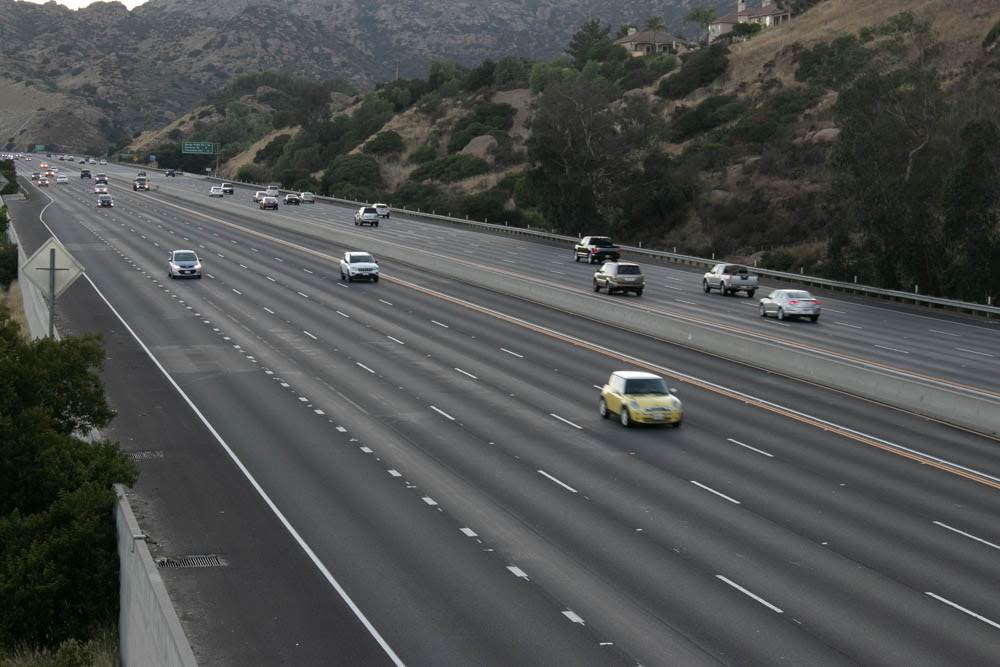

Interstate 17 is one of Arizona’s most heavily traveled corridors, linking Phoenix to Flagstaff and serving as the main gateway to Sedona, the Verde Valley, and the high country. While the interstate already carries daily congestion from commuters, freight trucks, and tourists, traffic patterns change dramatically during holidays and major events. Those surges create conditions that drivers often underestimate, long backups, aggressive lane changes, fatigued travelers, and a sharp rise in preventable crashes. Understanding how seasonal travel and tourism affect I-17 can help visitors and residents move more safely through one of Arizona’s busiest and most unpredictable highways.
The influence of holidays and regional attractions is especially visible near New River, Black Canyon City, Camp Verde, and the Sedona turnoff on State Route 179. When thousands of vehicles head into the high country at the same time, even minor delays can cascade into major shutdowns. Combined with steep terrain and limited access points, holiday congestion often transforms I-17 into a corridor with increased crash risks and longer emergency response times.
How Holiday Travel Volumes Strain I-17
When holiday weekends approach, I-17 quickly becomes a bottleneck. Drivers heading north for cooler temperatures, hiking, skiing, or holiday gatherings pack the lanes from north Phoenix to Sunset Point. Early morning traffic waves into long midday backups as visitors rush toward Sedona or Flagstaff. The volume alone is enough to stretch travel times far beyond what most drivers expect.
The interstate’s terrain magnifies these patterns. Steep grades and tight curves near Black Canyon City force natural slowdowns even under normal conditions. When 30,000 or more additional vehicles hit those same stretches, movement becomes uneven and unpredictable. Drivers brake suddenly on climbs, accelerate aggressively on descents, and weave between lanes in frustration. These behaviors cause frequent rear-end collisions, sideswipes, and multi-vehicle crashes during peak holiday hours.
Long-distance travelers unfamiliar with Arizona’s mountain driving also contribute to instability. Rental RVs travel slowly up steep grades, out-of-state visitors ride their brakes downhill, and some drivers underestimate the changing weather between Phoenix and the high country. Rapid temperature drops, fog near Sunset Point, and sudden wind gusts near the Rim can surprise drivers who expect consistent desert conditions. When visitors experience these shifts during already crowded holiday traffic, the margin for error shrinks.
Another factor is departure timing. Many holiday travelers leave the Valley at roughly the same hours, late mornings on Fridays and early afternoons on holiday Mondays. This synchronization creates extended gridlock that lasts for miles. If a crash blocks even a single lane, backups stretch far beyond the original incident, sometimes reaching New River or Cordes Junction. Emergency responders struggle to reach these scenes because congested lanes leave little room to maneuver. Every hour of delay leads to a higher likelihood of secondary crashes as frustrated drivers speed up or suddenly divert once the lanes open.
Tourism Surges Around Sedona and the Verde Valley
Sedona remains one of Arizona’s most popular destinations during holidays, especially Thanksgiving, Christmas, spring break, and long holiday weekends. The influx of visitors funnels directly onto I-17 before spilling into local roads around Camp Verde and the State Route 179 interchange. When visitors approach this transition zone, they encounter sudden slowdowns that catch many drivers by surprise.
The route to Sedona is stunning but difficult due to heavy traffic. The turnoff at SR-179 sits in an area where I-17 shifts from high-speed rural interstate to a complex regional gateway. Vehicles slow abruptly to enter the exit, while others accelerate to maintain highway speeds. During high-demand periods, backup lines at the interchange can extend onto the interstate itself, creating dangerous conditions. These queues frequently lead to the kind of slow-speed crashes that clog the shoulders and compound congestion.
Tourists also bring a higher rate of inattention. Drivers unfamiliar with the area check maps, search for scenic viewpoints, or attempt last-minute lane changes to avoid missing the Sedona exit. Rental cars carrying families or photography enthusiasts often drive inconsistently as they adjust to unfamiliar roads. These behaviors contribute to some of the most common holiday crash patterns on I-17, especially near the Verde Valley’s narrow shoulders.
Camp Verde and its surrounding attractions also draw heavy seasonal traffic. The area serves as a waypoint for travelers heading to Montezuma Castle, Out of Africa Wildlife Park, and the casino. On holiday weekends, this cluster of destinations magnifies congestion. Visitors often make unpredictable decisions, like slamming on the brakes near park entrances or merging abruptly back onto I-17. The resulting crashes tend to be low-speed but disruptive, and they ripple for miles along the interstate.
Northbound travelers heading toward Flagstaff encounter a new set of challenges. Winter holidays bring snowstorms, icy pavement, and rapidly changing conditions. When families travel for skiing, winter festivals, or Christmas trips, many underestimate the effects of altitude and winter weather. Spinouts near Munds Park or slow-moving traffic on slick pavement create significant hazards, especially when large groups of inexperienced winter drivers travel the same path. These conditions are aggravated when holiday congestion forces drivers to follow too closely or brake repeatedly.
Why Holiday Traffic Increases Crash Severity on I-17
While congestion itself raises the number of collisions, holiday-related crashes on I-17 often involve more serious injuries. The reasons are layered and connected to both human behavior and the unique geography of the interstate.
Long-distance travelers moving between Phoenix and Flagstaff frequently experience fatigue. After hours of driving in backed-up traffic, exhaustion makes reaction times slower and distractions harder to resist. Fatigue also affects out-of-state visitors who underestimate the length of the drive or fail to rest properly before entering mountainous terrain. When fatigued drivers reach the narrow climbs near Black Canyon City or the steep descent toward Camp Verde, they may misjudge curves, fail to brake in time, or drift across lanes.
Holiday travel also encourages risk-taking. Drivers running late for a family event accelerate to make up lost time. Others follow vehicles too closely to hold their place in slow-moving holiday caravans. Impatient lane changes create instability where the margin for error is already slim. These patterns often lead to multi-vehicle collisions, especially when large trucks are present. A commercial truck traveling too fast downhill can easily collide with congested lanes, creating massive wreckage and long closures.
Emergency response times typically increase during holiday travel periods as well. High traffic volumes make it difficult for ambulances, fire crews, and law enforcement to reach the scene quickly. Even when crews receive immediate notification, congested lanes restrict their movement. Some responders must enter from the opposite direction or wait for ADOT to open emergency access gates. Meanwhile, victims may be left waiting longer than usual for medical attention, and these delays contribute to higher injury severity.
Weather instability poses yet another threat. Holidays often coincide with late-fall fog, early-winter storms, or spring wind gusts. A dusting of snow near the high country can transform the interstate into a dangerous mix of slick lanes and creeping traffic. When holiday drivers face these hazards without experience, crash risks rise substantially. A single spinout can trigger a multi-car pileup, especially when visibility drops or braking distances increase.
Even after crashes occur, clearing the scene during holiday surges takes significantly longer. Tow trucks sit in the same traffic as everyone else. ADOT crews may face line-of-sight challenges or need additional manpower to move debris. These clearance delays extend the dangers for stranded motorists who exit their vehicles or stand on narrow shoulders while waiting for help.
All of these factors combine to make holidays and tourism seasons some of the highest-risk periods for I-17 travelers, especially near Sedona, Camp Verde, and the high mountain passes.
When to Seek Legal Help
Surging tourism, event traffic, and holiday travel create conditions that many travelers do not anticipate until they are already stuck on the interstate. Heavy congestion, sudden slowdowns, unpredictable weather, and large numbers of out-of-area visitors contribute to a sharp rise in collisions. Sedona tourism accident patterns repeat every major holiday, particularly near SR-179, while I-17 holiday traffic crash clusters occur reliably around Black Canyon City, Sunset Point, Camp Verde, and Munds Park. These challenges often leave victims dealing with severe injuries, extended delays in emergency response, and long recovery periods.
A serious crash during holiday or tourist travel can upend every aspect of a victim’s life. Medical bills pile up as income slows or stops. Insurance companies often dispute claims, especially when multi-vehicle crashes create conflicting accounts of what happened. Determining liability on I-17 requires careful review of traffic conditions, driver behavior, weather, and roadway design. Victims should understand that they do not have to navigate these complexities alone.
If you or a loved one has been injured in an I-17 holiday traffic crash or a Sedona tourism accident, legal support can make a critical difference. Get in touch with us by filling out the contact form and arrange a consultation with a trained and experienced Interstate 17 accident lawyer who can fight for justice and fair compensation on your behalf so you can focus on recovery and rebuilding your life.