
I-17
33.6612589,
-112.1138352
DUI & Impaired Driving Crashes on I-17
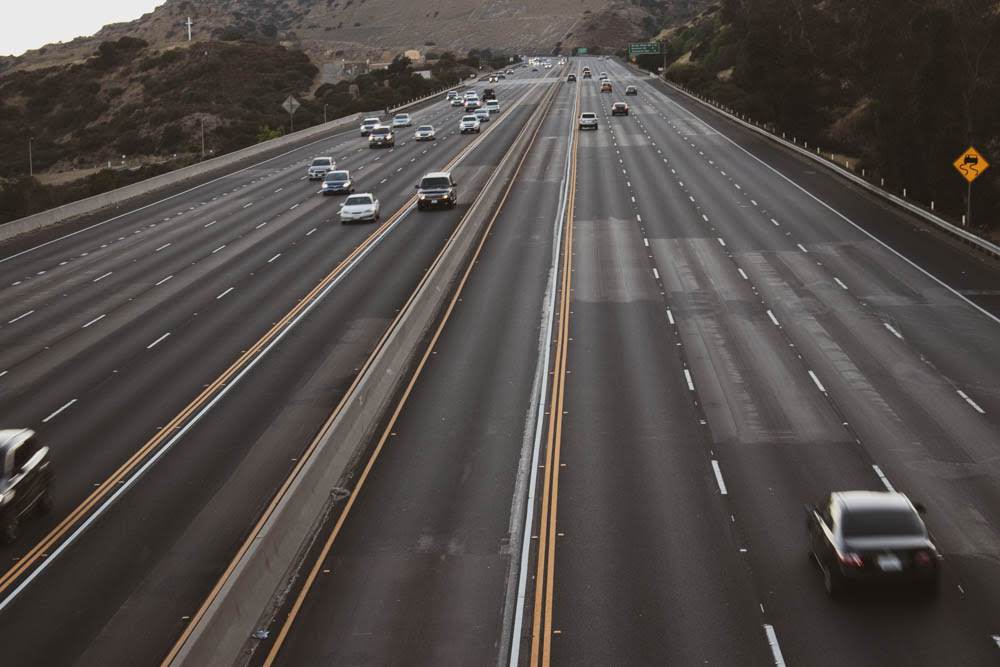

Interstate 17, stretching from Phoenix through the Verde Valley and up to Flagstaff, is one of Arizona’s most traveled and scenic highways. Its lanes connect bustling urban centers to mountain getaways, carrying millions of residents, truckers, and tourists each year. Yet behind its economic and logistical importance lies a deadly and persistent problem: impaired driving.
From weekend nightlife traffic in central Phoenix to late-night returns from Flagstaff, alcohol and drug impairment continues to plague I-17, causing devastating crashes that destroy lives and families. Despite stricter laws, tougher enforcement, and widespread awareness campaigns, DUI-related crashes remain one of Arizona’s top causes of traffic fatalities.
Understanding the reality of impaired driving on I-17, and knowing what victims can do afterward, is critical for anyone navigating the state’s highways or seeking justice after a preventable drunk driving crash.
The Scope of Drunk Driving in Arizona
Drunk driving continues to be one of Arizona’s most dangerous public-safety issues. According to the Arizona Department of Transportation (ADOT), alcohol-related crashes accounted for more than 4,600 collisions statewide in 2023, resulting in roughly 300 fatalities and over 2,500 injuries. Many of these incidents occurred on or near major interstates like I-17, where high speeds and heavy traffic amplify the risk.
In fact, I-17 has become one of the most common corridors for DUI arrests and collisions in the state. The Arizona Department of Public Safety (DPS) frequently conducts DUI saturation patrols and sobriety checkpoints along the highway, especially near Phoenix, Black Canyon City, and Cordes Junction. Yet even with heightened enforcement, impaired drivers continue to cause catastrophic wrecks.
Several factors make I-17 especially hazardous for DUI incidents:
- Varied terrain: The highway’s steep climbs, sharp curves, and mountain descents demand precise control and full alertness, something impaired drivers simply lack.
- Long travel distances: Many drivers underestimate fatigue and combine alcohol or drug use with extended trips between cities.
- Tourist and weekend traffic: During peak travel times, especially holidays or events in Sedona and Flagstaff, the mix of local and out-of-state drivers increases the odds of encountering an impaired motorist.
Even small amounts of alcohol or marijuana can slow reaction times, blur judgment, and reduce coordination, deadly effects at highway speeds.
How Impairment Affects Driving on I-17
Driving under the influence doesn’t just refer to excessive drinking— even a small amount of alcohol can impair reaction time, coordination, and judgment. Certain prescription medications and recreational drugs can intensify these effects, making it dangerous for anyone to get behind the wheel after consuming them.
Alcohol acts as a depressant on the central nervous system, dulling the senses and slowing reflexes. On I-17, this impairment can lead to delayed responses to stopped or merging traffic, drifting between lanes during nighttime driving, failure to adjust speed on steep descents, overcorrection on curves north of Black Canyon City, or even falling asleep behind the wheel after prolonged intoxication.
Drug-impaired driving has also become a growing concern across Arizona. According to the Governor’s Office of Highway Safety, substances such as THC, opioids, and stimulants are being detected more frequently in DUI arrests and fatal crash investigations. Many drivers wrongly assume that marijuana use is harmless before driving, but research consistently shows that it reduces coordination, distorts perception, and slows reaction times—effects that are even more dangerous when combined with alcohol.
Regardless of whether the substance is alcohol, cannabis, or prescription medication, the results can be devastating. Impaired driving continues to cause catastrophic collisions on I-17 and beyond, leaving lasting physical, emotional, and financial consequences for victims and their families.
Arizona DUI Laws and Criminal Penalties
Arizona enforces some of the toughest DUI laws in the nation, but deterrence only goes so far when drivers choose to take the risk.
Under Arizona Revised Statutes §28-1381, it is illegal to operate a vehicle if:
- Your blood alcohol concentration (BAC) is 0.08% or higher,
- You are impaired to the slightest degree by alcohol or drugs, even below 0.08%, or
- You have any illegal drug or its metabolite in your system.
Penalties escalate sharply depending on BAC level and prior offenses:
- Standard DUI: Up to 10 days in jail and fines exceeding $1,000.
- Extreme DUI (BAC ≥ 0.15%): Minimum 30 days in jail, higher fines, and mandatory ignition interlock.
- Aggravated DUI: Charged as a felony when a driver’s license is suspended, a child is in the car, or it’s a third offense within seven years.
While these criminal penalties aim to punish offenders and protect the public, they do little to compensate victims who suffer severe physical, emotional, and financial losses after a crash. That’s where civil claims and personal injury lawsuits come in.
The Aftermath of an I-17 DUI Accident: Victims’ Rights
Victims of a drunk driving crash on I-17 have important legal rights that go beyond criminal proceedings. While prosecutors may charge the impaired driver, that criminal case doesn’t directly provide financial recovery for injured victims. Instead, victims can pursue civil claims to recover compensation for their damages.
A civil lawsuit can help victims recover for medical expenses (including emergency care, surgery, therapy, and medication), lost wages and reduced earning capacity, pain and suffering, emotional distress and trauma, and property damage. Furthermore, in fatal cases, it can provide wrongful death damages for surviving family members (such as in fatal DUI cases).
When a driver’s actions show gross negligence or reckless disregard, such as driving with an extremely high BAC or under the influence of multiple substances, victims may also be eligible for punitive damages, designed to punish egregious misconduct and deter similar behavior.
Importantly, Arizona law also allows victims to seek damages from other liable parties. For example:
- Bars or restaurants may face dram shop liability under A.R.S. §4-311 if they served alcohol to a visibly intoxicated patron who later caused a crash.
- Employers can be liable if the impaired driver was acting within the scope of their job duties, such as a delivery driver or commercial truck operator.
An experienced Arizona DUI accident lawyer can investigate every angle to identify all responsible parties and maximize available compensation.
Building a Strong DUI Accident Claim
Proving impairment in a civil case requires a detailed, methodical approach supported by strong evidence. Key forms of proof often include police reports and arrest records that document blood alcohol concentration (BAC) or toxicology results, as well as witness statements describing erratic or unsafe driving behavior. Video footage from patrol vehicles, nearby businesses, or traffic cameras can also be invaluable in illustrating how the crash unfolded. In many cases, accident reconstruction specialists are brought in to analyze the scene and demonstrate how impairment directly caused the collision. Expert medical testimony can further strengthen the case by linking the victim’s injuries to the forces generated during the crash.
Because DUI-related evidence can quickly deteriorate or become inaccessible, victims should contact an attorney as soon as possible after the incident. Surveillance video is often overwritten or deleted within days, and toxicology data may become difficult to obtain once the criminal proceedings conclude. Acting promptly ensures that critical details are preserved before they disappear.
An experienced attorney can coordinate with law enforcement to collect reports, toxicology results, and footage while managing communications with insurance companies. Insurers frequently attempt to minimize settlement amounts or assign partial blame to the victim, but with proper documentation and legal representation, victims can pursue full compensation for their injuries, losses, and suffering.
The Human Cost of I-17 Drunk Driving
Every impaired driving crash on I-17 represents a story of heartbreak that could have been prevented. Victims often face years of recovery, from traumatic brain injuries and spinal cord damage to broken bones and emotional trauma.
Families of fatal crash victims endure unimaginable loss. Many must navigate complex legal processes while dealing with funeral expenses, lost income, and grief.
Geography compounds the risk on I-17. Between Black Canyon City and Camp Verde, long stretches of mountainous roadway limit visibility and offer few safe shoulders. Emergency response can take longer, meaning injuries that might be survivable elsewhere can become fatal here.
The ripple effects are profound, from emotional trauma to financial devastation. For survivors, pursuing justice isn’t just about compensation; it’s about accountability.
I-17 DUI Accident Claims: Protecting Your Rights After a Drunk Driving Crash
A drunk or drug-impaired driver’s decision can alter lives in an instant. But victims of an I-17 DUI accident have powerful rights under Arizona law. By pursuing a civil claim, victims can hold negligent drivers accountable and secure the financial resources needed for recovery.
Drunk driving is not an accident; it’s a choice. And on dangerous corridors like Interstate 17, those choices can destroy lives. With the help of a dedicated attorney, victims and families can fight for justice, rebuild their lives, and send a clear message that impaired driving has no place on Arizona’s highways.
If you or a loved one were injured in a drunk driving accident on I-17, don’t wait to take action. Evidence fades quickly, and insurance companies move fast to limit their liability. Get in touch with us by filling out the contact form and arrange a consultation with a trained and experienced Interstate 17 accident lawyer who can fight for justice and fair compensation on your behalf.