

I-17
33.6612589,
-112.1138352
Bus Crashes on I-17
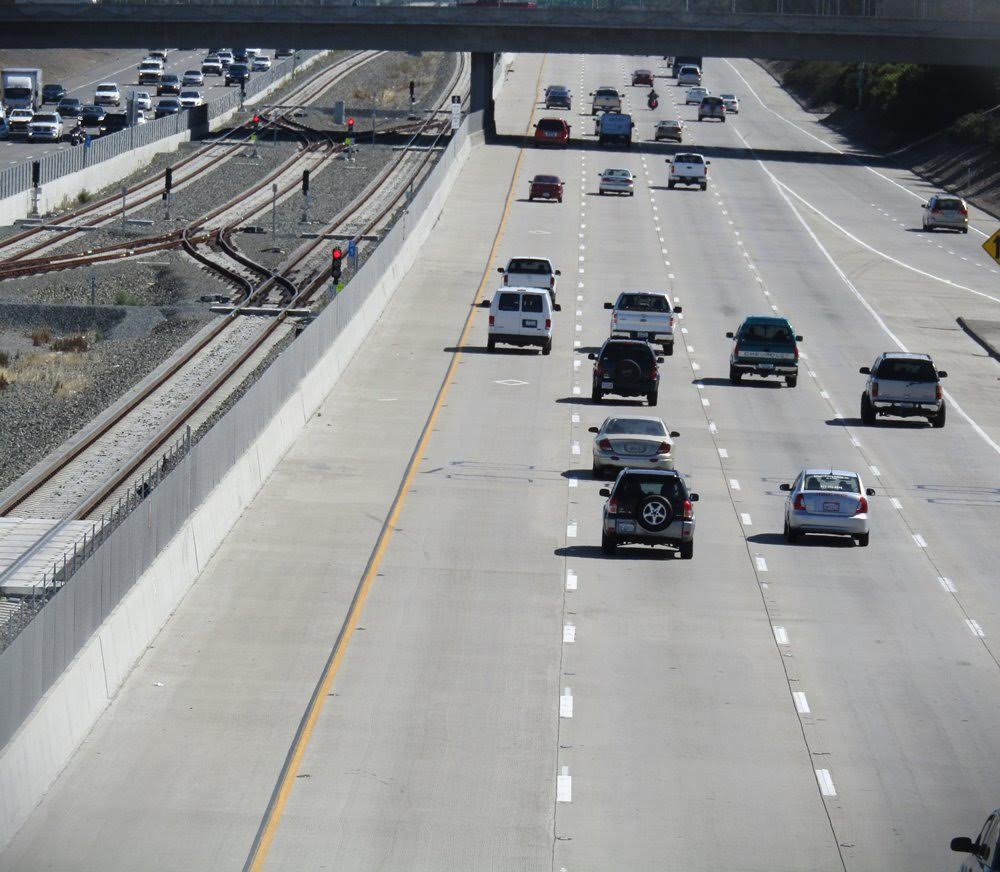

Interstate 17 runs from Phoenix to Flagstaff, cutting through steep mountain terrain and heavy urban traffic. Every day, charter buses, tour buses, and long-distance coaches carry thousands of passengers along this vital corridor. When a bus crash happens on I-17, the impact is immediate and severe. Dozens of passengers can suffer injuries at once, and questions about liability surface quickly. Victims must know their rights and understand how Arizona law handles claims after a bus-related collision.
Bus accidents on I-17 are not simple fender benders. They involve commercial carriers, insurance companies, and sometimes state or federal agencies. Each party may share responsibility depending on how and why the crash occurred. For injured passengers, identifying who is at fault and pursuing compensation can feel overwhelming without guidance.
What Causes Bus Accidents on I-17
The I-17 corridor poses unique risks for large vehicles. From sharp grades north of Black Canyon City to high-speed congestion through Phoenix, bus drivers face conditions that demand constant attention. Even a small lapse can cause a devastating crash.
Mechanical failure is one of the most common factors. Buses traveling long distances up steep grades put heavy strain on brakes, steering systems, and tires. If a company fails to maintain these components properly, it risks catastrophic failure on descents near Sunset Point or during heavy traffic near Anthem.
Driver fatigue also plays a major role. Many charter or tour bus drivers operate on tight schedules, traveling overnight between Phoenix and Flagstaff. Fatigue reduces alertness and slows reaction time, increasing the chance of veering out of the lane or failing to brake in time.
Weather compounds these dangers. Rain and fog through the Verde Valley or icy roads near Flagstaff often lead to loss of traction and reduced visibility. When a heavy vehicle like a bus loses control, smaller vehicles around it have little room to avoid impact.
Distracted or impaired driving can turn an already risky route into a deadly one. Drivers who check phones, adjust GPS devices, or drive under the influence endanger every passenger onboard and others on the highway.
Passenger Rights After an I-17 Bus Accident
Bus passengers have strong legal protections under Arizona law. Whether the bus is privately operated, part of a charter service, or run by a public transportation agency, operators owe passengers the highest duty of care. This means they must take every reasonable step to ensure passenger safety.
When that duty is breached, through negligence, poor maintenance, or reckless operation, passengers have the right to seek compensation for their injuries. This compensation may include medical expenses, lost income, pain and suffering, and emotional trauma.
Passengers injured in I-17 crashes should seek medical treatment immediately, even if symptoms seem minor. Concussions, spinal injuries, or internal bleeding may not appear until hours later. Medical records serve as critical evidence connecting injuries to the crash.
If the crash involves a charter or tour bus, passengers should also preserve travel documents, ticket stubs, and receipts. These items help prove their presence on the bus and link them directly to the incident.
Reporting the crash to law enforcement is mandatory when there are injuries or significant damage. Arizona DPS typically responds to serious accidents along I-17. Each passenger should request a copy of the official police report once it becomes available.
Determining Liability in an I-17 Bus Crash
Identifying who is legally responsible after a bus accident requires a thorough investigation. Several parties may share liability, depending on what went wrong.
The bus driver can be held liable for negligent or reckless behavior, such as speeding, tailgating, or driving while fatigued. A driver who ignores traffic laws or weather conditions violates their duty of care to passengers and other motorists.
The bus company may face liability for negligent hiring or supervision if it failed to properly vet or train drivers. Companies must also ensure that buses are routinely inspected and maintained. If the company ignored known safety issues or pushed drivers to exceed legal hours of service, it can be held responsible for resulting injuries.
Maintenance contractors who service buses may also share fault. Improper brake repairs or failure to replace worn tires can cause mechanical breakdowns that lead to serious crashes on I-17’s steep grades.
In some cases, manufacturers may bear responsibility. If a defective component, such as a tire blowout or faulty steering part, caused the crash, the injured passengers may pursue claims under product liability laws.
When the bus is owned or operated by a public agency, such as a city or school district, additional legal rules apply. Claims against government entities in Arizona must follow strict procedures and deadlines, including a formal notice of claim within 180 days of the accident.
What Passengers Should Do After an I-17 Bus Crash
The moments after a bus crash are chaotic. Many passengers feel disoriented and unsure of what to do next. Yet the actions taken immediately after an accident can greatly affect the outcome of a future claim.
Passengers should remain calm and wait for emergency personnel to arrive. Medical attention should come first. Afterward, if it is safe, documenting the scene can help preserve vital evidence. Photos of the bus, nearby vehicles, and road conditions near the crash site can later support a claim.
Witness statements from other passengers or motorists are also valuable. Contact information should be exchanged before everyone leaves the scene. Bus companies and insurers may later dispute what happened, so independent witnesses are essential to establishing fault.
Each passenger should keep detailed notes of symptoms, medical visits, and how injuries affect daily life. These records help show the long-term impact of the crash when calculating damages.
Avoid discussing the crash with insurance representatives or company officials without legal advice. Anything said during these conversations can be used to limit or deny compensation.
Filing a Claim After an I-17 Bus Accident
The process of filing a claim after a bus crash depends on the type of bus involved. For private charter or tour buses, claims are typically filed against the company’s commercial liability insurance. For public transportation or school buses, claims must follow government procedures.
Arizona follows a comparative negligence system, which means passengers can still recover compensation even if more than one party shares fault. The total recovery amount may be reduced by the passenger’s percentage of responsibility, though passengers are rarely found at fault in these cases.
Evidence is the foundation of any successful claim. Medical reports, police investigations, and maintenance records all help establish negligence. Attorneys often work with accident reconstruction experts to determine how and why the crash occurred. On I-17, where road grades and weather often complicate conditions, expert testimony can be decisive in court.
Victims can seek compensation for economic and non-economic losses, including medical expenses, rehabilitation, lost wages, and emotional distress. If a fatality occurs, surviving family members may file a wrongful death claim to recover funeral costs, lost companionship, and future financial support.
The statute of limitations for personal injury claims in Arizona is generally two years from the date of the accident. However, shorter deadlines apply to claims involving public entities, so acting quickly is essential.
Protecting Your Passenger Rights After a Bus Crash in Arizona
Bus crashes on I-17 often result in severe injuries, long recoveries, and complex liability disputes. Passengers have strong rights under Arizona law, but they must act fast to protect them. Each case demands a careful investigation into driver conduct, company practices, and vehicle maintenance records.
If you or a loved one suffered injuries in an I-17 bus accident, you don’t have to navigate the process alone. Get in touch with us by filling out the contact form and arrange a consultation with a trained and experienced Interstate 17 accident lawyer who can fight for justice and fair compensation on your behalf.